Boho Butterfly Art: Sweatshirt Design Review
As an embroidery designer preparing for a limited seasonal drop, selecting the right artwork is about more than just aesthetics; it is about technical viability and brand alignment. When evaluating Boho Butterfly Art for our upcoming premium sweatshirt collection, I am looking at how this specific machine embroidery design translates from a digital screen to heavy fleece fabric. This review breaks down my professional assessment of using this stylized insect illustration for a small boutique brand, focusing on stitch performance, visual impact, and commercial readiness for custom apparel.
First Impressions and Aesthetic Vibe
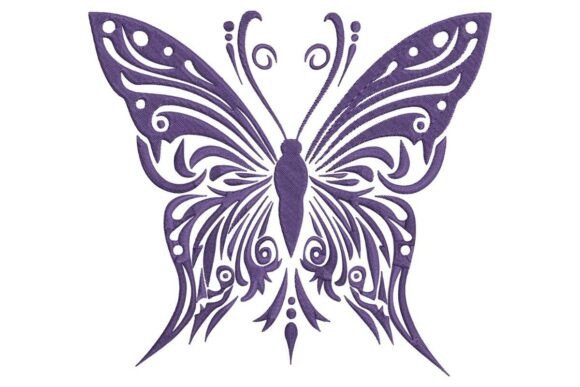
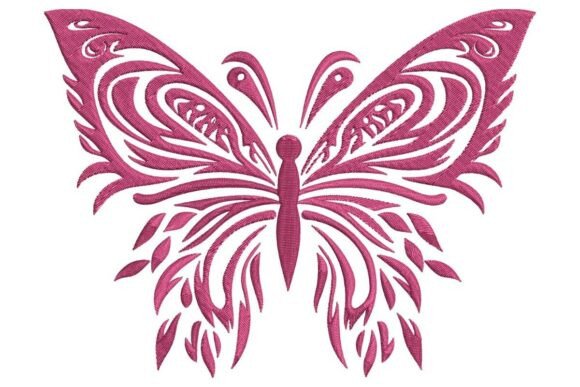
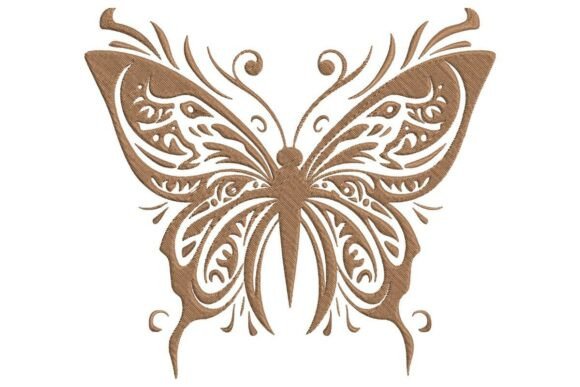
My initial reaction to Boho Butterfly Art is that it strikes a difficult balance between organic softness and structured geometry. The description highlights a fusion of bold, tribal-inspired shapes with delicate elements, which immediately signals a versatile aesthetic. For a boutique brand, this duality is essential. It does not read as childish or overly cartoonish, which is a common pitfall in the Bugs Insects category. Instead, it feels mature, artistic, and intentionally decorative.
The symmetry of the wings provides a natural anchor point for center-chest placement on oversized hoodies. Visually, the intricate details suggest a high-value handmade product. When customers browse Etsy listings or shop small online stores, they are often looking for uniqueness. This design avoids generic clip-art vibes by offering complex line work that mimics hand-drawn illustration. The mood leans towards rustic elegance rather than playful novelty, making it suitable for neutral tones like oatmeal, sage green, charcoal, and dusty rose.
Technical Evaluation for Fleece and French Terry
Designing for sweatshirts presents unique challenges compared to woven cottons or denim. Fleece has a pile that can swallow fine details, and the stretchiness of the fabric requires careful stabilization. Here is my technical breakdown of applying Boho Butterfly Art to cozy seasonal apparel:
- Stitch Density Management: The "intricate details" mentioned in the product description must be digitized with appropriate underlay. If the stitch density is too high in those tribal shapes, the sweatshirt will become stiff and bulletproof. I would verify that the embroidery file uses adequate spacing or textured fills to maintain the garment's drape.
- Fabric Texture Interaction: On plush fleece, delicate lines risk getting lost. The bold tribal elements in this design are actually a functional asset here. They provide necessary visual weight that stands up against the fabric texture, while the delicate accents should ideally be rendered as running stitches or satin columns thick enough to sit on top of the pile.
- Stabilizer Strategy: For this level of detail on knit fabrics, a single layer of cutaway stabilizer is non-negotiable. Depending on the final size and stitch count, I might recommend a fusible mesh to prevent shifting during the hooping process. This ensures the symmetrical wings remain perfectly aligned after washing.
- Thread Color Contrast: Because the design relies on a fusion of bold and delicate shapes, thread selection is critical. On dark sweatshirts, using a variegated or metallic thread for the tribal sections could elevate the perceived value. However, always test stitch-out first to ensure the contrast allows the intricate details to remain readable at a glance.
Placement Strategy for Boutique Merchandise
Versatility drives sales for small shop products. Boho Butterfly Art offers multiple placement opportunities that can expand your product line without requiring new design assets. As I plan the collection layout, I see three distinct applications:
Center Chest Statement
This is the most obvious application for hoodie design. The symmetrical nature of the butterfly makes it perfect for centering. Ensure you check the hoop size requirements before purchasing. If the design is large, consider scaling it down slightly for smaller unisex sizes to prevent the artwork from wrapping around the side seams or sitting too low on the torso.
Sleeve or Wrist Accents
If the embroidery file includes separable elements or scales down cleanly, the tribal wing motifs could serve as beautiful sleeve accents. This adds a premium touch to custom apparel that justifies a higher price point. Small, detailed embroidery on cuffs is a trending detail in the handmade market right now.
Back Yoke Placement
For a more subtle, feminine look, placing a scaled version across the back yoke (just below the neckline) creates a sophisticated silhouette. This works exceptionally well for pastel colors and lighter-weight French terry sweatshirts aimed at a demographic that prefers minimal front branding with decorative back interest.
Commercial Viability and Brand Identity
For Etsy sellers and creative entrepreneurs, every design choice impacts buyer trust and brand identity. Boho Butterfly Art supports a cohesive narrative for businesses focusing on bohemian, cottagecore, or artisanal fashion. The intricate artistry signals that time and thought were put into the curation, distinguishing your shop from mass-produced fast fashion.
From a marketing perspective, this design photographs beautifully. The mix of bold and delicate lines creates depth in lifestyle product photography. When creating printable mockup previews for your listing, ensure the digital representation accurately reflects the stitch texture. Customers appreciate seeing close-ups of the actual embroidery or highly realistic renders that show how the thread interacts with the sweatshirt weave. This transparency reduces returns and increases engagement.
Furthermore, the durability of such a design contributes to long-term customer satisfaction. Intricate embroidery, when stabilized correctly, holds up better to washing than large, dense patches of fill stitch. By prioritizing a design that balances openwork with solid tribal shapes, you are creating a garment that remains soft and wearable for years, reinforcing the quality promise of your boutique brand.
Pre-Production Checklist for Embroidery Shops
Before loading this digital embroidery file into your machine for a production run, complete this evaluation checklist. While the artistic concept is strong, technical execution determines the success of the finished product:
- Verify File Compatibility: Confirm the format matches your machine and that the design has not been corrupted during transfer.
- Check Size Specifications: Do not assume the default size is optimal for sweatshirts. Measure your target garment's printable area. Remember that resizing complex designs can alter stitch density; use professional software to adjust if significant scaling is needed.
- Run a Test Stitch-Out: Never skip this step on fleece. Check for registration issues between the bold tribal outlines and the delicate interior details. Adjust tension or stabilizer layers if gaps appear.
- Assess Washability: Launder the test sample to ensure the intricate details do not pucker or distort. Commercial embroidery demands durability.
- Evaluate Thread Palette: Select thread colors that complement your specific sweatshirt blanks. What looks good on screen may need adjustment for physical fabric absorption.
Ultimately, Boho Butterfly Art represents a strong candidate for a premium sweatshirt collection. Its blend of tribal boldness and delicate intricacy offers the visual interest necessary for standout boutique merchandise while providing enough structural integrity for successful embroidery on challenging knit fabrics. By approaching this design with technical mindfulness and strategic placement, small business owners can transform a beautiful illustration into a best-selling wearable art piece. Always remember to validate the specific technical parameters of your chosen embroidery file against your equipment capabilities and fabric choices to ensure the final result honors both the art and the apparel.