Colorful Chicken Christmas: A Merch Design Review
As an embroidery designer specializing in commercial branding and small business merchandise, I approach every new machine embroidery design with a critical eye toward production viability. When evaluating the Colorful Chicken Christmas design for potential use in branded merchandise, my primary focus shifts beyond seasonal aesthetics to structural integrity and brand application. This review analyzes how this specific embroidery file performs when adapted for professional use cases like staff uniforms, retail patches, and boutique accessories.
First Impressions: Visual Personality and Brand Fit
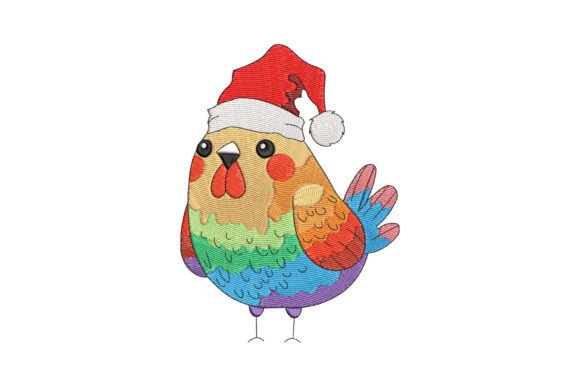
The title Colorful Chicken Christmas immediately suggests a design that balances festive tradition with playful character. From a branding perspective, this duality is valuable. For businesses such as farm-to-table cafés, artisanal bakeries, pet supply shops, or rustic boutiques, standard corporate logos can sometimes feel too sterile during the holiday season. This design offers a bridge between professional brand identity and approachable, handmade warmth.
Visually, a "colorful" designation implies multiple thread changes and distinct color blocking. In a commercial setting, this vibrancy translates to high visibility on shelves and social media feeds. However, the term also signals a need to evaluate stitch density. A design described as premium and suitable for both beginners and experts typically features optimized pathing, but when applied to small business merch, we must ensure the color saturation does not compromise the fabric's drape or durability. The aesthetic leans towards friendly and artisanal rather than strictly elegant, making it ideal for businesses that want to project a welcoming, community-focused image during the holidays.
Commercial Applications: Patches, Apparel, and Accessories
When integrating Colorful Chicken Christmas into a product line, versatility is key. Here is how this design translates across different commercial embroidery applications:
- Embroidered Patch Production: This motif has strong potential as a collectible holiday patch. For a boutique or creative studio, limited-edition patches drive customer engagement. The colorful nature allows for distinct border definition, which is crucial for patch legibility. Ensure the digital embroidery file includes a proper merrowed edge guide or satin stitch border if you intend to produce standalone patches.
- Apron Embroidery and Staff Uniforms: For hospitality businesses, this design serves as an excellent seasonal accent on aprons or chef coats. Unlike a full-back print, a chest-sized or pocket-sized embroidery maintains professionalism while adding festive flair. It humanizes staff interactions and reinforces the seasonal atmosphere without overriding the company logo.
- Tote Bag Design and Retail Packaging: Canvas tote bags are a staple for handmade brands and Etsy sellers. The Colorful Chicken Christmas design acts as a value-add; customers are more likely to reuse a bag featuring a charming, high-quality graphic. This extends your brand reach long after the purchase. As a packaging accent on linen gift sacks or box wraps, it elevates the unboxing experience, signaling that the contents are curated and special.
- Cap Embroidery: Headwear presents unique challenges due to curvature. If using this design for caps, verify that the digitizing accounts for the push-pull distortion common on curved surfaces. The "chicken" motif likely has a central focal point, which works well for center-front placement, provided the height does not exceed standard cap limits.
Production Constraints and Technical Considerations
While the description notes this design looks great on apparel and linens, professional decorators must navigate specific technical limitations to ensure a premium finished product.
Fabric Texture and Stabilizer Selection
The interplay between fabric texture and stitch count is critical. On smooth linens, the colorful details will pop. However, on textured fabrics like burlap, canvas, or fleece often used in rustic merch, fine details may get lost. You must adjust your stabilizer strategy accordingly. For heavy textures, a cut-away stabilizer with a water-soluble topping is non-negotiable to prevent stitches from sinking. Always test the design on the exact substrate you intend to sell; what works on a display towel may fail on a structured work shirt.
Sizing and Detail Retention
Be cautious when resizing Colorful Chicken Christmas for small applications. Reducing a complex, colorful design by more than 20% can cause registration issues where thread colors overlap incorrectly. If you plan to use this as a sleeve detail or a tiny label accent, request or create a simplified version of the embroidery file specifically digitized for smaller dimensions. Tiny lettering or intricate facial features on the chicken may turn into indistinct blobs at reduced sizes.
Durability for High-Wash Items
For custom apparel and aprons that require frequent laundering, inspect the lock stitches and jump stitch trimming. Vibrant designs often use high contrast threads; if the backing isn't secured properly, loose threads become glaringly obvious against dark uniforms. Confirm that the design includes adequate underlay to support the top stitches, ensuring longevity through industrial washing cycles.
Strategic Value for Small Business Growth
Beyond the needle and thread, Colorful Chicken Christmas serves as a strategic asset. In the crowded marketplace of holiday goods, visual consistency builds trust. Using a premium, well-digitized design signals to customers that your business cares about quality details. This perception directly influences perceived product value.
Furthermore, this design supports content creation. Before committing to bulk production, create a printable mockup or stitch out a single sample for photography. High-quality images of the embroidered texture perform exceptionally well on social platforms, driving pre-orders and engagement. For Etsy sellers, listing the physical embroidered item alongside other design assets creates a cohesive shop aesthetic that encourages multi-item purchases.
Designer’s Checklist: Pre-Production Protocol
Before running Colorful Chicken Christmas as part of your commercial inventory, adhere to this professional workflow to minimize waste and maximize quality:
- Verify Commercial Licensing: Never assume usage rights. Check the specific license terms included with the digital embroidery file to confirm you are permitted to sell finished products or use the design for business branding.
- Conduct a Black and White Test: Stitch the design in a single color first. This reveals the underlying structure and density map without the distraction of color changes. Look for gaps, puckering, or excessive density areas.
- Audit Thread Contrast: Review the color palette against your chosen merchandise base color. Ensure there is sufficient contrast for visibility, especially for outdoor markets or dimly lit retail environments.
- Confirm Hoop Size Compatibility: Measure the actual design dimensions against your machine’s maximum field. Avoid hoop-outs; if the design is near the limit, consider splitting it or choosing a smaller variation to maintain alignment precision.
- Create Client Approval Mockups: If fulfilling custom orders for other businesses, always provide a digital or physical proof. Manage expectations regarding size and color accuracy before starting production runs.
- Check File Format Integrity: Ensure you have the correct format for your specific machine (PES, DST, JEF, etc.). Generic formats sometimes lose color information or stitch attributes; native formats preserve the designer's original intent.
Ultimately, Colorful Chicken Christmas represents a versatile opportunity for small businesses to enhance their seasonal offerings. By treating this machine embroidery design as a professional component of your merchandise strategy rather than just a decorative element, you ensure that your handmade product lines remain profitable, durable, and visually compelling. Whether applied to a barista’s apron or a limited-run holiday tote, success lies in respecting the technical requirements of the medium while leveraging the design's inherent charm to connect with your audience.