Snowflakes: A Designer’s Review for Craft Fair Sales
As an experienced embroidery designer preparing for the upcoming winter market season, I approach every new machine embroidery design with a critical eye. It is not enough for a file to simply digitize well on screen; it must translate into a profitable craft fair product that catches the attention of shoppers walking past a crowded booth. When evaluating the "Snowflakes" design, described as high-quality, fun, and easy to stitch, my primary focus is on its commercial viability for handmade sellers. This review breaks down how this specific embroidery file performs in real-world production scenarios, from batch stitching to final display.
First Impressions and Market Positioning
The title "Snowflakes" immediately suggests a classic winter aesthetic, but the description adds nuance by calling it "fun" and "elegant." In the context of a handmade market, this duality is a significant selling point. Purely elegant snowflake designs can sometimes feel too formal or traditional for modern buyers, while overly cute versions may alienate customers looking for sophisticated home decor. Based on the provided details, this design appears to strike a balance that appeals to a broad demographic. For an Etsy seller or boutique maker, this versatility is gold. It implies the artwork has enough personality to be engaging without sacrificing the timeless appeal required for seasonal sales.
Visually, a design marketed as "eye-catching" typically utilizes open spacing or distinct outlines that read well from a distance. At a craft fair table, customers often view items from three to five feet away before deciding to pick them up. If the Snowflakes design relies on intricate, microscopic details, it risks getting lost in the visual noise of a busy market stall. However, if it lives up to the "bold" and "elegant" promise, it will serve as an excellent anchor piece for your booth display, drawing eyes toward your other merchandise.
Best Applications for Winter Inventory
Determining where to place this design is just as important as the stitching itself. Because the description notes it includes multiple elements (implied by "includes multi"), this asset pack likely offers flexibility in sizing and arrangement. Here is how I would deploy this design across different product categories for maximum return:
- Tote Bag Design: Canvas totes are a staple small shop product. The Snowflakes design would work beautifully as a centered focal point on natural cotton canvas. The contrast of white or silver thread against unbleached fabric creates an instant farmhouse-winter vibe that sells consistently.
- Tea Towel Embroidery: Kitchen linens are high-volume sellers during the holidays. Since the design is described as "easy to stitch," it is likely optimized for lighter fabrics like flour sack towels. This makes it ideal for creating sets of three or four, increasing the average transaction value at your booth.
- Apron Embroidery: For holiday bakers and hosts, an embroidered apron is a premium gift. Placing a smaller variation of the snowflake on the chest pocket or hem adds a subtle, high-end touch without overwhelming the garment's utility.
- Embroidered Patches: If the design has clean edges and appropriate stitch density, consider turning it into iron-on patches. These are low-cost add-ons that customers can grab impulsively while waiting at your card reader.
- Pillow Covers: Seasonal throw pillows allow for larger hoop sizes. This is where the "elegant" aspect of the design can truly shine, using specialty threads like metallics or rayon to elevate the perceived value of the finished product.
Production Efficiency and Batch Stitching
For creative entrepreneurs, time is money. A design that is "fun and easy to stitch" suggests efficient digitizing. When preparing for a weekend market, I need design assets that run smoothly without constant thread breaks or excessive trimming. Efficient designs allow for faster turnaround times, meaning you can stock more inventory without burning out. The mention of "multi" suggests this might be a collection or a multi-position layout. Multi-position layouts are essential for commercial embroidery because they allow you to stitch several items in one hooping, drastically reducing production time per unit.
Furthermore, this ease of stitching translates to better photography for online listings. Designs that stitch out cleanly with minimal puckering photograph better for printable mockups and social media. If the Snowflakes design maintains its integrity across different fabric textures, you can create a cohesive brand look across your entire winter catalog, reinforcing customer trust and recognition.
Critical Technical Considerations for Sellers
Despite the positive description, professional judgment requires verifying technical specifications before committing to bulk production. As a designer, I must highlight areas where caution is necessary to ensure your handmade product meets quality standards.
Fabric Texture and Stabilizer Choice
While the design is versatile, snowflake motifs often contain fine lines or satin stitches that can disappear on textured fabrics. If you plan to use this on terry cloth towels or knitted caps, you must use a water-soluble topping to prevent stitches from sinking into the pile. Always test the stabilizer combination on scrap fabric first. A design that looks elegant on smooth cotton may look messy on fleece if the foundation is not stable enough.
Hoop Size and Scaling Limits
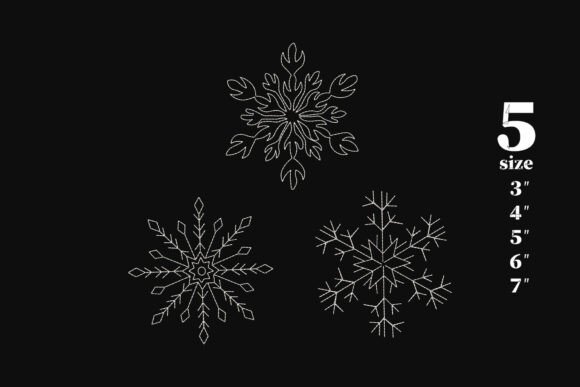
The description does not specify exact dimensions. Before purchasing or stitching, confirm the hoop size requirements. More importantly, check the minimum recommended size. Intricate snowflake details can become muddy if resized too small. If you intend to use this as a collar accent or cuff detail, verify that the smallest version retains clarity. Never assume a digital embroidery file is infinitely scalable; always respect the digitizer's original parameters to maintain stitch quality.
Thread Colors and Contrast
Snowflakes are traditionally white, but white thread on white fabric lacks visibility in dim indoor market lighting. To maximize visual appeal, consider tonal contrast. Stitching silver, ice blue, or even deep navy snowflakes on light backgrounds often photographs better and stands out more effectively in person. Review the included thread colors chart, but do not be afraid to deviate based on your specific inventory needs. Just ensure you have confirmed commercial embroidery licensing rights if you are altering the design significantly or selling the finished goods.
Maximizing Booth Appeal and Customer Engagement
Ultimately, the success of the Snowflakes design depends on how you present it. At a craft fair, tactile engagement drives sales. Because this design is described as high-quality, encourage customers to touch the embroidery. The texture of well-digitized snowflakes should feel smooth and substantial, not stiff or bulletproof. This sensory experience validates the "premium" feel of your work.
Use the "multi" aspect of the design to create visual rhythm in your display. Group items with varying sizes of the snowflake motif together to guide the customer’s eye across your table. Pair the embroidered items with complementary non-embroidered goods to create complete gift bundles. For example, bundle a snowflake tea towel with a wooden spoon and a jar of local honey. This contextualizes the apron embroidery or towel design as part of a lifestyle, rather than just a decorated object.
Finally, remember that digital presentation matters as much as physical display. Use high-resolution photos of the actual stitched sample, not just the digital rendering, for your Etsy listings. Customers want to see how the machine embroidery design interacts with real fabric grain and lighting. Clearly state the size and materials used in your listing description to manage expectations. By treating the Snowflakes design as a professional asset rather than just a seasonal decoration, you position your business for sustainable winter sales success.