Folk Border Embroidery Design: A Business Review
As a professional embroidery designer specializing in commercial merchandise, I approach every new machine embroidery design with a critical eye toward production viability and brand longevity. When evaluating the Folk Border Embroidery Design for small business applications, my primary focus shifts from mere aesthetics to functional versatility. This review examines how this specific digital asset performs when translated from screen to fabric for branded merchandise, staff uniforms, and retail products.
Visual Personality and Brand Alignment
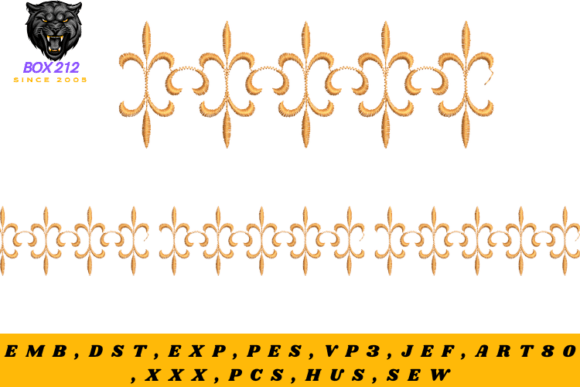
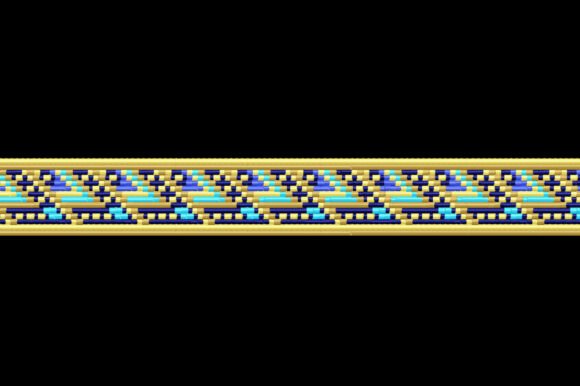
The first impression of the Folk Border Embroidery Design is one of curated authenticity. Based on its description as a symphony of classic decorative art, this pattern communicates warmth, heritage, and artisanal quality. For small business owners, this visual language is powerful. It immediately signals to customers that the brand values tradition and craftsmanship. Unlike generic stock vectors, this style suggests a handmade product ethos, which is essential for boutiques, bakeries, florists, and creative studios aiming to differentiate themselves in a saturated market.
However, "folk" does not mean messy. In a commercial context, this design must maintain clean lines to ensure it reads as premium rather than amateur. The balance between rustic charm and professional execution is what makes this embroidery file suitable for business use. It avoids being overly playful or childish, instead leaning into an elegant, timeless aesthetic that builds customer trust. When applied to custom apparel or packaging, it elevates the perceived value of the item, justifying higher price points for artisan goods.
Commercial Applications for Small Business Merch
Versatility is the hallmark of a profitable digital embroidery file. In my experience outfitting local businesses, the Folk Border Embroidery Design shows exceptional promise across multiple touchpoints. Its linear nature makes it inherently adaptable, but success depends on strategic placement.
- Apron Embroidery: For cafés and bakeries, this border works beautifully as a hem detail or pocket accent. It adds a layer of sophistication to staff uniforms without interfering with functionality or name tags.
- Tote Bag Design: Retailers can use this pattern to frame the top edge of canvas shoppers. This creates a cohesive look that turns a simple utility bag into a desirable fashion accessory and walking advertisement.
- Embroidered Patch Production: Because borders are often self-contained, this design can be digitized into standalone patches for caps, jackets, or backpacks. This allows businesses to sell branded gear without committing to full garment embroidery.
- Product Packaging: Beyond apparel, consider stitching this onto linen napkins, tea towels, or reusable gift wrap. These items serve as both merchandise and packaging, reinforcing brand identity through tactile experiences.
For Etsy sellers and craft brands, this design serves as a unifying element across disparate products. Using the same folk motif on labels, tags, and finished goods creates visual consistency that strengthens buyer recognition and engagement.
Technical Considerations and Production Risks
While the aesthetic is appealing, technical execution determines whether the Folk Border Embroidery Design succeeds in high-volume commercial embroidery. As a designer, I must highlight specific areas where caution is required to avoid costly reworks or customer dissatisfaction.
Stitch Density and Fabric Texture
Folk art often features intricate fills and detailed outlines. On textured fabrics like linen or canvas, these details can get lost if the stitch density is too low. Conversely, if the density is too high, the fabric may pucker or become stiff, ruining the drape of an apron or tote. Before running production, you must test the design on the exact material you intend to use. Adjusting underlay stitches and pull compensation is often necessary to ensure the border lies flat and remains durable through frequent washing.
Sizing and Legibility
Borders are deceptive; they look simple until you try to shrink them. If you plan to use this for cap embroidery or small sleeve cuffs, verify that the design maintains integrity at reduced sizes. Intricate folk details can turn into mud when scaled down below 3 inches. Always check the minimum recommended size in the file specifications. If the design relies on tiny satin stitches for definition, it may not be suitable for curved surfaces like hat fronts without significant modification.
Thread Colors and Contrast
The charm of folk art lies in color interaction. However, for small business merch, you must balance artistic intent with brand guidelines. Test thread colors against your specific uniform or product base. A design that looks vibrant on white cotton might disappear on navy denim. High contrast is crucial for visibility at a distance. Additionally, consider wash fastness; ensure your thread selection can withstand industrial laundering if used for staff uniforms.
Strategic Implementation Notes for Designers
To maximize the ROI of this design assets purchase, follow this professional workflow before committing to bulk production. These steps mitigate risk and ensure the final output meets commercial standards.
- Verify Licensing: Before selling any item featuring this design, confirm the commercial license terms. Ensure you are permitted to use the Folk Border Embroidery Design on products for sale, not just personal projects.
- Create a Printable Mockup: Never approve a job based on a screen view alone. Generate a realistic mockup to show clients or stakeholders. This manages expectations regarding scale, color, and placement on the actual garment.
- Test Stitch-Out: Run a sample on scrap fabric using your intended stabilizer and hoop setup. Inspect the registration, tension, and backing removal. This is non-negotiable for professional results.
- Check Hoop Size Compatibility: Borders can be long. Confirm your machine’s maximum stitch area accommodates the design without excessive re-hooping, which introduces alignment errors.
- Evaluate Washability: Subject your test swatch to a wash cycle. Folk designs with heavy coverage can distort if not properly stabilized. Ensure the finished product retains its shape and appearance after care.
Impact on Brand Value and Customer Perception
Ultimately, the decision to use the Folk Border Embroidery Design should be driven by business goals. In my assessment, this pattern offers significant value for brands targeting customers who appreciate heritage and quality. It transforms standard blanks into signature pieces. An embroidered border implies a level of care and attention to detail that printed graphics cannot replicate.
When customers receive a product adorned with thoughtful, well-executed embroidery, their perception of the brand shifts. They see a business that invests in quality. This fosters loyalty and encourages word-of-mouth marketing. For handmade brands, this design bridges the gap between DIY charm and retail-ready professionalism. It validates the price point and reinforces the narrative of the maker.
However, this value is contingent on execution. A poorly stitched border damages credibility faster than no embroidery at all. By respecting the technical requirements of stitch density, stabilizer choice, and fabric compatibility, you ensure the Folk Border Embroidery Design serves as an asset rather than a liability. Treat this digital file as a raw ingredient in your production process—one that requires skill and testing to yield a premium result.
For small business owners, embroiderers, and product designers, this design represents an opportunity to infuse traditional warmth into modern commerce. Whether adorning a barista’s apron, framing a boutique tote, or serving as a collectible patch, its success lies in the intersection of artistic appreciation and technical discipline. Review your specific needs, test rigorously, and leverage this classic motif to build a brand that feels both established and authentically yours.