A Warrior’s Hand: Embroidery Design Review
As an embroidery designer who frequently sources Creative Fabrica embroidery assets for both personal passion projects and commercial client work, I approach every new download with a critical eye. When I first encountered A Warrior’s Hand, the title alone suggested a narrative depth that is often missing in generic design libraries. This is not merely a decorative motif; it is a conceptual piece intended to convey resilience and tenderness simultaneously. After evaluating this machine embroidery design for potential use in a recent custom apparel order, I want to share my professional perspective on its practical application, technical considerations, and marketability for fellow creators and small business owners.
First Impressions and Visual Narrative
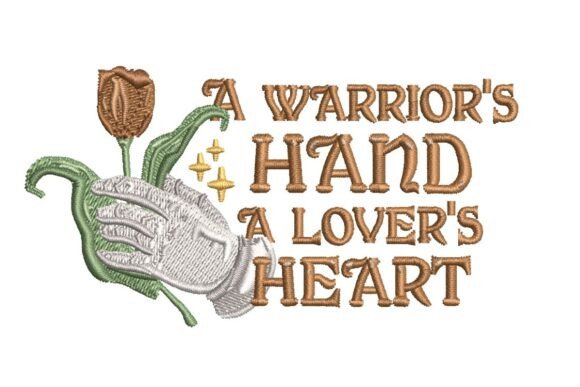
The immediate appeal of A Warrior’s Hand lies in its juxtaposition of strength and grace. The description promises a beautifully detailed armored aesthetic, and visually, it delivers a mood that fits perfectly within the Inspirational category without feeling cliché. For designers creating meaningful merchandise, this balance is crucial. The artwork suggests intricate line work and shading that translates well into digitized form, provided the original embroidery file has been punched with care.
When reviewing this design, I looked specifically at how the "armored" elements were rendered. In high-quality Embroidery files, armor should not look like flat blocks of color. It requires strategic use of satin stitch for highlights and edges, combined with textured fill stitch areas to mimic metal or leather. If the digitizer has utilized directional stitching effectively, the final finished product will have a tactile quality that elevates it above standard clip-art style embroidery. This visual complexity makes it particularly suitable for items where the embroidery is the focal point, such as a commemorative personalized gift or a boutique-grade sweatshirt embroidery project.
Technical Performance on Real Substrates
Before committing A Warrior’s Hand to a customer order, I always assess how the design interacts with different fabrics. A design featuring detailed armor implies varying stitch density. High-density areas can cause puckering on lightweight fabrics or distortion on stretchy knits if not managed correctly.
- Custom Apparel and Sweatshirts: For fleece or cotton blends, the weight of an armored design is usually manageable. However, because this design likely contains dense fill areas to create the metallic or protective look, using a cutaway stabilizer is non-negotiable to prevent tunneling.
- Tote Bag Design and Canvas: Unstructured canvas tote bags are excellent candidates for this motif. The fabric's stability supports detailed running stitch outlines and heavier satin columns often found in warrior-themed art. The natural texture of canvas complements the rugged yet graceful theme.
- Kitchen Towels and Linens: Caution is advised here. If the design is too dense, it can make a towel stiff or unabsorbent in the embroidered area. Always check the specific dimensions and stitch count in the digital embroidery file details before hooping delicate linens.
- Caps and Curved Surfaces: Unless the design is specifically digitized as a cap version with proper center-out sequencing, I would avoid placing complex armored details on curved caps. The registration risks are high with multi-layered inspirational designs.
For those considering this as an applique design element, verify if the file includes placement lines and tack-down stitches. Some versions of warrior motifs utilize applique for the shield or gauntlet sections to reduce stitch count and add fabric texture contrast. If it is purely stitched, ensure your machine can handle the jump sequences smoothly.
Commercial Viability for Etsy Sellers and Makers
From a business perspective, A Warrior’s Hand offers distinct advantages for sellers on platforms like Etsy or at craft fairs. The "Warrior/Lover" duality taps into a specific emotional niche that drives sales. It works exceptionally well for:
- Military and First Responder Gifts: The armored hand imagery resonates deeply with service members and their families, making it a strong contender for retirement gifts, deployment keepsakes, or memorial items.
- Breast Cancer and Survivor Merchandise: The combination of battle readiness and heart-centered emotion aligns perfectly with survivor narratives. Using pink or teal thread colors can instantly adapt this design for awareness campaigns.
- Fantasy and Renaissance Markets: For vendors attending ren faires or selling to the cosplay community, this design serves as authentic-looking embellishment for cloaks, tunics, or accessories.
However, commercial success depends on presentation. When creating a printable mockup or listing photos, do not rely solely on digital renders. Stitch out a sample on the actual substrate you intend to sell. Photographing the texture of the satin stitch against the fabric builds buyer trust and demonstrates the quality of your handmade product. Customers need to see that the "armor" looks dimensional and not flat.
Practical Notes for Production and Licensing
Integrating A Warrior’s Hand into your workflow requires due diligence. As with any Creative Fabrica embroidery purchase, you must verify the licensing terms directly on the product page. Ensure the license covers commercial embroidery for physical products if you plan to sell finished goods. Do not assume rights to resell the design assets themselves or use them in digital-only products unless explicitly permitted.
Before running a production batch, follow these essential steps:
- Verify Hoop Size: Detailed designs often push the limits of standard 4x4 hoops. Confirm the exact dimensions of the embroidery file match your equipment capabilities. Resizing complex armored designs can distort stitch angles; it is safer to choose the correct size initially.
- Test Thread Contrast: Armored details often rely on tonal variation. Test on scrap fabric using your intended thread colors. Dark metallic threads on dark fabric may lose definition; consider a lighter highlight thread to make the details pop.
- Inspect Small Details: If the design includes tiny text or fine facial features alongside the hand, inspect these areas after your test stitch-out. If they are lost in the fabric weave, the design may need editing or a switch to a tighter-weave substrate.
- Check File Formats: Ensure the download includes your machine’s native format (PES, DST, JEF, etc.) to avoid conversion errors that could alter stitch paths in such a detailed composition.
Evaluating Value for Creative Entrepreneurs
Ultimately, A Warrior’s Hand represents more than just a collection of stitches; it is a storytelling tool. For the experienced embroiderer, its value lies in its versatility across emotional and commercial niches. Whether you are producing a custom apparel line for a veteran’s organization or creating a unique embroidered patch for a fantasy brand, this design provides a sophisticated foundation.
Its success in your shop will depend on your technical execution. Treat it as a premium asset. Use appropriate stabilizer, respect the stitch density, and present it with professional photography. By doing so, you honor the artistry of the original digitizer while delivering a superior personalized gift or product to your customers. Always review the specific product details on Creative Fabrica regarding stitch counts and formats to ensure it meets your precise project requirements before purchasing. When executed with care, A Warrior’s Hand can become a signature piece in your embroidery portfolio, bridging the gap between artistic expression and profitable craftsmanship.