Pretty Smiling Face with Sweat Redwork Review
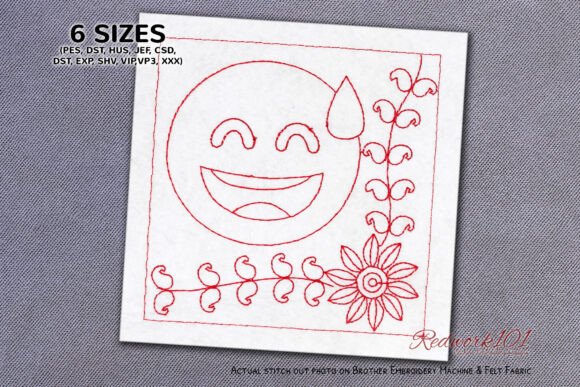
As I prepare my booth inventory for the upcoming weekend craft fair, I am constantly evaluating which designs will actually move off the table. The Pretty Smiling Face with Sweat Redwork is currently on my digitizing table for review. At first glance, this machine embroidery design strikes a specific balance between vintage charm and modern relatability. It does not feel overly precious or strictly traditional; instead, it carries a playful, self-deprecating humor that resonates deeply with today’s handmade market customers. The combination of a cheerful expression with that iconic sweat drop creates an immediate emotional connection, signaling to buyers that this product understands their busy, imperfect lives.
For Etsy sellers and boutique makers, visual impact is everything. This design leans into a soft, decorative aesthetic but maintains enough boldness to be read from three feet away at a crowded market stall. It feels distinctly inspirational without being preachy, making it a versatile addition to any commercial embroidery lineup. As I assess its potential for batch production, I am looking at how the redwork style translates across different substrates and whether the stitch density supports high-volume output without compromising quality.
Best Product Applications for Market Sales
When planning a craft fair product lineup, versatility reduces risk. The Pretty Smiling Face with Sweat Redwork performs exceptionally well on specific items where personality sells better than perfection. Based on my experience with similar digital embroidery files, here is where this design shines brightest:
- Tote Bag Design: Canvas totes are the number one seller at markets. This design works beautifully as a centered focal point on natural cotton canvas. The red thread against unbleached fabric provides high contrast that catches the eye of shoppers browsing from a distance.
- Tea Towel Embroidery: Kitchen linens are staple handmade products. Because redwork typically uses lighter stitch density than filled designs, it preserves the drape and absorbency of flour sack towels. The humorous theme fits perfectly in a kitchen setting where messes happen.
- Apron Embroidery: For culinary vendors or gift shops, this design adds character to waist aprons. It transforms a utilitarian item into a conversation starter, increasing perceived value.
- Embroidered Patches: Creating patches allows for low-risk inventory testing. This face design scales down effectively for iron-on patches that appeal to younger demographics and Gen Z buyers looking to customize denim jackets or backpacks.
- Kids Items and Small Pouches: The description notes suitability for kids' items. On zipper pouches or bibs, the smiling face reads as cute rather than stressed, broadening the target demographic for small shop products.
Production Practicality and Stitch Performance
A pretty design on screen must also be profitable in the hoop. When reviewing the Pretty Smiling Face with Sweat Redwork for commercial embroidery, I focus heavily on run-time and stability. Redwork is generally faster to stitch out than complex satin-filled illustrations, which improves profit margins per hour. However, the floral elements and decorative swirls mentioned in the description require careful attention to spacing.
I recommend testing the stitch density on scrap fabric before committing to a full production run. If the swirls are too dense, they may cause puckering on lighter tea towels or cause needle breaks on thicker canvas tote bags. Conversely, if the lines are too sparse, the design may look sketchy and unfinished in person. For this specific design, a medium-weight cutaway stabilizer usually offers the best support for tote bags, while tear-away works sufficiently for stable tea towels. Always confirm the hoop size requirements in your embroidery file documentation to ensure you have adequate margin space for hooping without distorting the smile.
Critical Use Notes for Professional Results
Even experienced embroiderers encounter challenges with expressive line art. To ensure every finished product meets boutique standards, keep these technical considerations in mind:
- Fabric Texture Matters: Avoid using this design on highly textured terry cloth or waffle weave unless you use a water-soluble topping. The fine lines of the sweat drop and facial features can get lost in the pile, reducing clarity.
- Thread Color Contrast: Traditional redwork uses red, but for modern markets, consider offering variations. Test navy, forest green, or charcoal threads. Dark fabrics require verification; white or cream thread on black canvas looks stunning but requires checking if the design was digitized specifically for light-on-dark application to avoid show-through.
- Scaling Limitations: While perfect for patches, be cautious when shrinking this design below 3 inches. Tiny details in the floral adornments may merge, and the sweat drop could become indistinguishable. Always print a printable mockup or stitch a test at the smallest intended size to verify legibility.
- Cap Curvature: If applying this to structured caps, ensure the design has been digitized with cap compensation. Flat redwork files often distort on curved surfaces, causing the smile to look uneven or the registration to fail near the brim.
Merchandising and Customer Engagement Strategy
The success of a craft fair booth often depends on storytelling. The Pretty Smiling Face with Sweat Redwork is inherently narrative. When displaying embroidered samples, group them by emotion rather than just product type. Place the tea towel next to a coffee mug and the tote bag next to a planner. This contextual merchandising helps customers visualize the design in their own chaotic, joyful lives.
For online sales, this design photographs exceptionally well because of its graphic nature. Clean lines and high contrast make for strong thumbnail images on Etsy listings. When creating listing photos, include a close-up macro shot to showcase the stitch quality and texture. Buyers need to see that the decorative swirls are crisp and the smile is symmetrical. Highlighting the handmade quality through detailed photography justifies premium pricing over mass-produced alternatives.
Designer Checklist Before Selling
Before listing this as a digital embroidery file or selling the finished product, complete this final validation checklist:
- Verify Licensing: Confirm that your purchase includes commercial rights for both physical products and digital assets if you plan to resell the file itself.
- Create Real Mockups: Do not rely solely on software renderings. Stitch at least one physical sample on your primary selling substrate to check for tension issues or design distortion.
- Check Thread Compatibility: Ensure your chosen thread brand matches the color codes in the file, or create a custom color chart for your customers if selling the digital version.
- Test Wash Durability: Redwork can sometimes fray after laundering. Wash and dry your test sample to ensure the floral elements and face remain intact, adjusting top stitch length if necessary.
- Review Spacing: Inspect the gap between the face and the outer floral border. Adequate negative space prevents the design from feeling cramped when hooped.
Ultimately, the Pretty Smiling Face with Sweat Redwork is a strong contender for any inspirational embroidery collection. Its blend of humor and traditional technique makes it a standout choice for makers who want to offer something beyond generic florals. By paying attention to fabric selection, stabilizer choices, and strategic merchandising, this design can become a reliable bestseller for your handmade business. Whether you are stocking a weekend booth or updating your digital storefront, this playful redwork brings both aesthetic appeal and practical production value to your creative enterprise.