Ghost Alpaca Halloween: An Embroidery Design Review
As an embroidery designer running a personalized gift shop, I am constantly evaluating new digital assets to ensure they meet the high standards my customers expect. When planning for the upcoming season, I look for designs that balance seasonal charm with commercial viability. The Ghost Alpaca Halloween machine embroidery design immediately caught my attention during my latest product development session. It promises to be easy to stitch and full of personality, but before adding any new artwork to my production lineup, I need to verify how it translates from screen to fabric. This review shares my practical testing experience and insights on using this design for profitable, high-quality handmade products.
First Impressions: Charm Meets Commercial Appeal
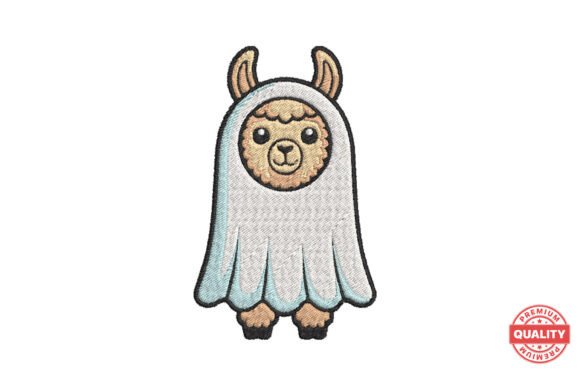
Upon loading the embroidery file into my software, the first thing that struck me was the mood. Unlike aggressive or overly spooky Halloween motifs, Ghost Alpaca Halloween carries a sweet, whimsical elegance. It feels modern yet timeless, striking that difficult balance between playful and polished. For a small business owner or Etsy seller, this emotional tone is crucial. It appeals to customers looking for festive decor that isn't disposable; they want something cute enough to display year-round in a nursery or cottage-style home.
The detail level appears optimized for clean stitching rather than excessive complexity. As a professional, I appreciate when a digitizer prioritizes stitch flow over unnecessary density. This design feels handmade and warm, avoiding the stiff, bulletproof texture that can ruin delicate garments. Its inherent charm suggests it will photograph beautifully for social media, which is essential for driving buyer engagement and building customer trust in your brand's aesthetic.
Real-World Application: From Digital File to Finished Product
To truly test this design, I envisioned specific custom embroidery orders that frequently come through my shop. Here is how Ghost Alpaca Halloween performs across different personalized gift categories:
- Nursery and Baby Embroidery: This is perhaps the strongest use case. The alpaca’s gentle expression makes it perfect for baby blankets, crib sheets, or milestone onesies. Parents love unique, non-scary Halloween themes for autumn babies. However, because baby items require frequent washing, I recommend testing the wash durability on scrap fabric first.
- Kitchen and Home Decor: For embroidered towels and aprons, the design adds a cozy, seasonal touch without being tacky. It works exceptionally well on flour sack towels where the fabric texture complements the rustic vibe. As a pillow cover accent, it offers just enough visual interest to serve as a standalone decorative piece.
- Tote Bags and Apparel: Since the product description highlights t-shirts and tote bags, I focused heavily here. The design scales well for adult apparel, maintaining its personality even at larger sizes. For craft fair products, stitching this on natural canvas totes creates an immediate bestseller vibe that attracts shoppers looking for unique, wearable art.
- Wedding and Family Keepsakes: While unconventional for traditional weddings, this motif shines for "fall wedding" favors or family reunion gifts. A couple getting married in October might adore a custom keepsake featuring this design, bridging their love for animals with their wedding date.
Critical Considerations: Where to Stitch with Caution
Even the best digital embroidery file has limitations based on physics and fabric behavior. During my review, I identified several areas where makers must exercise caution to protect their reputation and minimize waste.
Fabric Texture and Stability
While Ghost Alpaca Halloween is versatile, textured fabrics like terry cloth or thick fleece can obscure fine details. If you are creating an embroidered towel, always use a water-soluble topping to prevent stitches from sinking into the pile. Similarly, stretchy baby clothes require careful stabilizer selection. A cut-away stabilizer is non-negotiable for knits to prevent distortion, ensuring the alpaca doesn't warp after the first wear.
Small Details and Lettering
If you plan to add personalized names or dates beneath the alpaca, verify the minimum text height. Small lettering often fails if the stitch density is too low or the font is too thin. Always run a test stitch-out on the exact fabric you intend to sell. What looks crisp on screen may become illegible on dark fabric or textured linen. Comparing light and dark fabric mockups before production saves time and thread.
Curved Surfaces and Hoop Size
Embroidering on curved surfaces like stuffed animals or rounded pillow forms requires specialized hooping techniques. Ensure your hoop size accommodates the entire design plus adequate margin for stabilization. If the design pushes the limits of your hoop, consider resizing it slightly within your software, but always recalculate the stitch density to avoid gaps or puckering.
Elevating Perceived Value and Giftability
In the competitive world of handmade products, perceived value dictates pricing. Ghost Alpaca Halloween enhances giftability because it evokes an emotional connection. Customers aren't just buying stitches; they are buying nostalgia, warmth, and seasonal joy. When listing this as a small shop product, emphasize the "handmade quality" and the specific emotions the design evokes.
Product photography plays a massive role here. Don't just show the flat hoop; style the finished product in context. Photograph the tote bag filled with pumpkins, or drape the blanket over a wooden chair. These lifestyle shots help buyers visualize the item in their own lives, significantly boosting conversion rates for digital product sellers and physical goods alike.
Practical Production Notes for Makers
Before accepting paid orders using this design, follow this professional checklist to ensure consistent results:
- Verify Licensing: Always confirm commercial licensing terms before selling finished products. Protect your business by understanding exactly what usage rights accompany the digital embroidery file.
- Test on Scrap Fabric: Never stitch directly on a customer’s expensive blank without a prior test. Check thread color contrast and registration marks on similar material weight.
- Review Stitch Density: Adjust density based on your specific fabric. Lightweight cottons may need fewer stitches to prevent tearing, while heavy canvas might require increased density for coverage.
- Check Thread Colors: The monitor preview rarely matches reality. Select thread colors physically against your fabric to ensure the ghost reads clearly against both white and colored backgrounds.
- Create Printable Mockups: For Etsy sellers offering pre-orders, use accurate printable mockups to set expectations. Clearly state dimensions and placement to avoid returns due to size misunderstandings.
- Confirm Wash Instructions: Include care labels with every personalized gift. Advise customers to wash inside out in cold water to preserve the integrity of the embroidery long-term.
Final Thoughts for Your Shop
Ghost Alpaca Halloween represents a smart addition to any embroidery business focused on quality and emotion. It bridges the gap between niche holiday decor and enduring keepsake value. By approaching this design with professional diligence—testing thoroughly, respecting fabric limitations, and presenting it with authentic storytelling—you transform a simple machine embroidery design into a signature product line. Whether you are creating baby embroidery, custom tote bags, or seasonal home accents, this design offers the versatility and charm needed to delight customers and grow your handmade brand this season.