Spooky Bloody Axe Embroidery Design Review
As I curate my upcoming seasonal collection, finding the perfect balance between festive charm and professional quality is paramount. When evaluating a new machine embroidery design for holiday inventory, I look beyond the digital preview to understand how it will translate onto physical goods. The Spooky Bloody Axe Embroidery Design immediately caught my attention as a potential anchor piece for this year’s Halloween lineup. As an experienced designer planning products for real customers, I need to assess not just the aesthetic appeal, but the technical viability of this digital embroidery file across various substrates. This review breaks down my decision-making process for integrating this eerie motif into a commercial shop environment.
First Impressions: Balancing Eerie Aesthetics with Stitch Quality
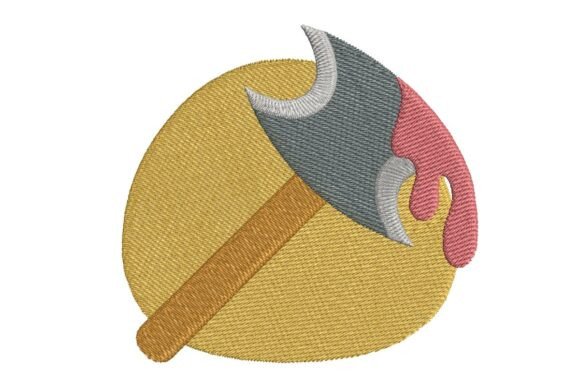
My initial assessment of the Spooky Bloody Axe Embroidery Design focuses on its visual hierarchy and emotional tone. The concept features a stylized axe rendered in shades of dark grey and light grey, set against a circular, textured golden-yellow background. From a design perspective, this color combination is strategic. The golden-yellow backdrop provides necessary contrast, ensuring the darker axe details remain visible even from a distance or in low-light autumn settings. This prevents the design from becoming a muddy blob of thread on darker fabrics, a common pitfall in seasonal embroidery.
The mood strikes a specific niche; it is spooky without being overly gruesome, making it suitable for a wider demographic than hardcore horror fans. It feels nostalgic and slightly rustic, which aligns perfectly with current trends in farmhouse-style Halloween decor. For an Etsy seller or small business owner, this versatility is crucial. The texture implied in the background suggests a complex fill stitch that adds dimensionality, elevating the perceived value of the finished product. However, as a professional, I must verify if that texture is achieved through efficient stitching or excessive density that could cause puckering.
Strategic Product Applications for Holiday Sales
When planning a seasonal drop, I categorize designs by their application potential. The Spooky Bloody Axe Embroidery Design shows strong promise for several high-margin categories. Its circular shape makes it an ideal candidate for sweatshirt embroidery, specifically centered on crewnecks or placed as a chest logo on hoodies. The self-contained border eliminates the need for additional framing elements, saving stitch time and reducing production costs per unit.
Beyond apparel, this design translates exceptionally well to home decor. I envision this as a standout kitchen towel embroidery project. The golden background mimics the warmth of autumn harvest themes, allowing it to bridge the gap between early fall and late October. For gift makers, this motif works beautifully on tote bag design projects intended for trick-or-treating or farmers' market runs. The sturdy nature of canvas totes supports the likely density of the textured background better than lightweight cottons.
For those creating personalized gift items, consider using this design as the central element on a pillow cover. It serves as a focal point that can be surrounded by monograms or names in coordinating thread colors. Additionally, because of its defined edges, this artwork could easily be converted into an embroidered patch with a merrowed edge, offering a versatile add-on product for customers who want to customize their own denim jackets or backpacks without committing to direct embroidery.
Technical Considerations and Fabric Limitations
While the aesthetic is strong, practical execution requires careful testing. As I review the Spooky Bloody Axe Embroidery Design for production, several technical constraints come to mind. The textured golden-yellow background is the primary area of concern regarding stitch density. Textured fills often require higher stitch counts to achieve coverage. If the density is too high, this design may distort stretchy garments like knit sweatshirts or cause tunneling on thinner fabrics.
- Stabilizer Selection: Due to the potential weight of the textured background, a cut-away stabilizer is non-negotiable for apparel. For towels or plush fabrics, a water-soluble topping is essential to prevent the axe details from sinking into the pile.
- Fabric Texture Compatibility: Test this design on both smooth cotton and textured linen. The interplay between the fabric grain and the digital texture can either enhance the design or create visual noise.
- Hoop Size Verification: Always confirm the exact dimensions before purchasing. Ensure your machine’s hoop size accommodates the design with adequate margin for proper tensioning.
- Metallic Thread Caution: While the gold background tempts the use of metallic threads, proceed with caution. Metallics increase friction and breakage risk. Test extensively before committing to a bulk run.
I would advise against using this specific design on curved caps unless the file has been specifically digitized for cap frames. The circular background and dense fills are prone to registration issues on curved surfaces. Similarly, for items requiring frequent washing like baby bibs or aprons, verify that the grey shading uses durable rayon or polyester threads rather than specialty threads that may degrade over time.
Enhancing Seasonal Appeal and Buyer Engagement
In the competitive landscape of holiday embroidery, visual recognition drives sales. The Spooky Bloody Axe Embroidery Design possesses a distinct silhouette that reads clearly in thumbnail images, which is vital for mobile shoppers browsing Etsy or social media. The contrast between the dark axe and bright background ensures the design pops in printable mockup graphics and listing photos.
From a marketing perspective, this design taps into the "cozy spooky" trend that dominates Q4 sales. It appeals to buyers looking for handmade gift options that feel curated rather than generic. By positioning this design within a collection of matching harvest or ghost motifs, sellers can encourage bundle purchases. The unique color palette also allows for easy coordination with existing shop branding, maintaining consistency across small shop product lines.
Customer trust is built through accurate representation. Because this design relies on specific shading in greys and golds, providing close-up photos of actual stitched samples is more effective than digital renders alone. Buyers need to see how the thread colors interact in real life. Highlighting the texture in video content can further demonstrate the premium quality of the embroidery, justifying a higher price point for finished goods.
Professional Designer Notes for Production Success
Before adding the Spooky Bloody Axe Embroidery Design to my permanent catalog, I adhere to a strict validation checklist. These steps ensure that the transition from embroidery file to profitable product is seamless.
- Test Stitch on Multiple Fabrics: Run a sample on white cotton, black fleece, and natural linen. Evaluate the coverage of the golden background and the clarity of the grey shading on each.
- Audit Stitch Count and Runtime: Calculate the cost of goods sold based on actual thread usage and machine time. Ensure the pricing model accounts for the complexity of the textured fill.
- Verify Commercial Licensing: Before selling any commercial embroidery products, double-check the license terms included with the file. Confirm whether there are limits on the number of finished items or restrictions on digitizing modifications.
- Create Realistic Mockups: Use high-quality blank photos to showcase the design. Avoid distorted overlays; customers appreciate seeing how the design sits naturally on a sweatshirt or towel.
- Plan Color Variations: While the original grey and gold is stunning, consider testing alternative palettes. A silver axe with a pumpkin orange background could extend the design's relevance into general autumn sales beyond Halloween.
Ultimately, the Spooky Bloody Axe Embroidery Design represents a strong opportunity for seasonal creators. Its blend of stylized artistry and functional composition makes it a viable asset for apparel, home decor, and accessories. By approaching this design with a critical eye toward stabilization, fabric choice, and market positioning, embroidery professionals can transform a digital file into a best-selling seasonal staple. Always remember that successful seasonal embroidery relies as much on technical precision as it does on creative vision. Happy stitching and successful selling this holiday season.