Halloween Dog Vampire with Pumpkin: A Stitch Test
As an embroidery designer who has digitized and tested thousands of seasonal files, I approach every new machine embroidery design with a healthy dose of skepticism. The market is flooded with cute concepts that fail when the needle hits the fabric. When I first loaded the Halloween Dog Vampire with Pumpkin file into my software, I wasn't just looking at the artwork; I was analyzing the pathing, the underlay, and the potential for registration issues on real-world projects. This review breaks down how this specific design performs outside of the digital preview window and whether it deserves a spot in your commercial or personal production queue.
First Impressions: Character Over Complexity
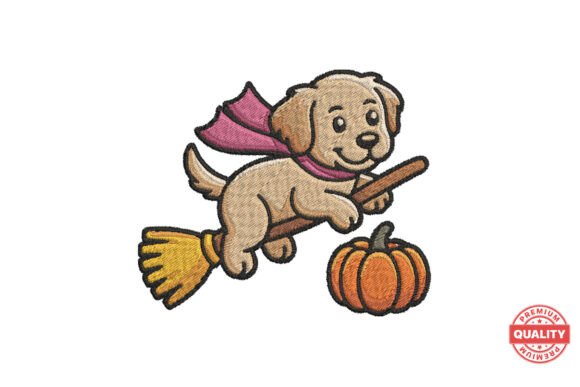
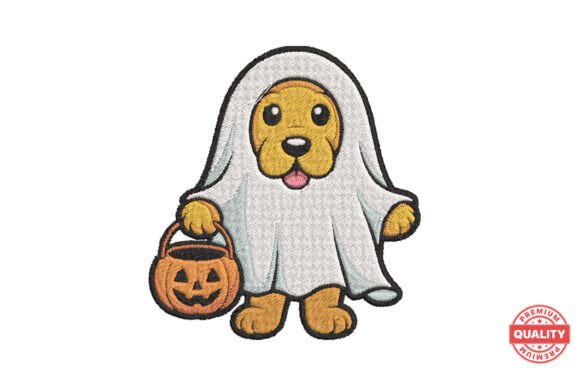
The immediate strength of the Halloween Dog Vampire with Pumpkin design is its balanced composition. In holiday embroidery, there is often a temptation to overstuff the hoop with bats, moons, cobwebs, and text, resulting in a dense, bulletproof patch that ruins the drape of a garment. This design avoids that trap. The visual weight is centered effectively between the dog’s expression and the pumpkin prop, creating a natural focal point without excessive negative space.
From a digitizing perspective, the personality shines through the stitch type choices. The transition between the satin stitch outlines and the fill stitch areas appears optimized for clean edges. For an Etsy seller or craft business owner, this matters immensely. Designs with poor edge definition look amateurish in product photos and even worse in person. This file seems to prioritize clarity, ensuring the dog’s facial features remain distinct even when scaled down for smaller applications like baby bibs or pocket-sized accents.
Real-World Application: The Sweatshirt Test
To truly evaluate this embroidery project, I mentally placed it in a high-stakes scenario: a custom fleece sweatshirt for a boutique holiday collection. Fleece is notorious for eating detail and causing registration shifts due to its pile and stretch. Here is how the Halloween Dog Vampire with Pumpkin holds up in this context.
For sweatshirt embroidery, the design’s scale is appropriate. It is large enough to justify the hooping time but not so massive that it requires industrial tension adjustments. If you are creating custom apparel, this motif works exceptionally well as a center-chest placement rather than a full-back piece. The interaction between the vampire cape elements and the pumpkin provides enough color blocking to stand out against heather grey or black fleece without relying solely on outline stitches, which can get lost in textured fabrics.
I also considered this as a tote bag design. Canvas tote bags are a staple for small shop products because they offer a stable, non-stretch surface that showcases stitch quality. On a 10oz canvas tote, the Halloween Dog Vampire with Pumpkin would serve as a primary selling feature. The design’s structure suggests it uses adequate underlay to prevent the canvas grain from showing through lighter thread colors, a common failure point in lesser-quality digital embroidery files.
Navigating Fabric Limitations and Hoop Sizes
While versatile, this design requires strategic planning depending on your substrate. Not all embroidery files behave identically across different materials, and this one is no exception.
- Stretchy Knits: If using this for baby embroidery on onesies or stretchy t-shirts, you must use a high-quality cutaway stabilizer. The combination of the pumpkin’s round shape and the dog’s likely angular features creates opposing pull directions. Without proper stabilization, the design will distort after washing.
- Textured Fabrics: On tea towels or linen, the running stitch details might sink into the weave. I recommend testing a water-soluble topping to keep those fine details crisp. This is crucial for maintaining the "personality" mentioned in the product description; if the eyes or mouth stitches disappear into the fabric texture, the design loses its charm.
- Small Hoop Constraints: Before committing to a 4x4 hoop size, verify the physical dimensions. Scaling down complex character designs often leads to thread buildup. If the Halloween Dog Vampire with Pumpkin exceeds your small hoop limits, do not force a resize that compromises stitch integrity. Instead, opt for a larger hoop or choose a simpler accent design for those limited spaces.
Commercial Viability for Makers and Sellers
For those running a handmade product line, the return on investment for any design asset comes down to versatility and customer appeal. This design hits a sweet spot for the "spooky-cute" demographic that dominates fall sales. It avoids being overly gory, making it safe for family-oriented markets, yet retains enough thematic specificity to satisfy Halloween enthusiasts.
If you are producing personalized gifts, consider how this design pairs with custom names. The layout of the Halloween Dog Vampire with Pumpkin likely leaves intentional negative space above or below the main graphic. This is a hallmark of professional digitizing intended for customization. Adding a name in a complementary font transforms a generic stock design into a premium finished product that commands a higher price point.
For commercial embroidery businesses fulfilling bulk orders for schools or community events, consistency is key. This design appears robust enough to withstand repeated stitching without requiring constant machine re-threading or bobbin adjustments. However, always confirm licensing terms before selling finished items. Ensure your purchase includes commercial rights for physical products, especially if you plan to list variations on platforms like Etsy or Shopify.
Designer Notes: Pre-Stitch Checklist
Before you run a single production piece, treat the Halloween Dog Vampire with Pumpkin as you would any new asset. Professional results come from preparation, not luck.
- Run a Sew-Out Test: Never stitch directly onto a sellable garment first. Use scrap fabric that matches your final project’s weight and stretch. Check for gaps between the satin borders and fill areas.
- Audit Thread Colors: Digital previews can be deceiving. Verify that the selected thread colors provide sufficient contrast against your chosen fabric. A dark purple cape on a black shirt needs a highlight or outline to be visible.
- Check Stitch Density: Inspect the file in your editing software. If the stitch density feels too high for lightweight fabrics, reduce it slightly or add a lighter stabilizer. Conversely, if it feels sparse for heavy canvas, increase density to ensure coverage.
- Mockup Validation: Create a printable mockup or digital overlay to visualize placement. This helps avoid the "floating design" syndrome where the embroidery looks disconnected from the garment’s seams or pockets.
- Verify File Compatibility: Ensure the format matches your machine. While most modern machines read standard formats, older models may require conversion that alters stitch paths.
Final Verdict on Production Value
The Halloween Dog Vampire with Pumpkin stands out as a reliable, commercially viable machine embroidery design for the season. Its success lies in its restraint; it delivers character without unnecessary complexity, making it accessible for hobbyists while remaining professional enough for apparel decorators and boutique owners. Whether you are stitching a keepsake holiday gift or stocking your shop with seasonal bestsellers, this design offers a solid foundation for creative execution. Just remember that the file is only half the equation; your choice of stabilizer, fabric, and finishing techniques will ultimately determine the quality of the final stitch-out.