I Love You to the North Pole and Back Design Review
As an embroidery designer specializing in commercial applications, I approach every new machine embroidery design with a critical eye toward production viability and brand alignment. When evaluating "I Love You to the North Pole and Back" for small business merchandise, my focus shifts from pure holiday sentiment to structural integrity and marketability. While the title suggests a seasonal theme, the description highlights a modern aesthetic suitable for trendy makeovers on t-shirts, towels, and decorative items. For business owners, Etsy sellers, and apparel decorators, this review analyzes whether this specific embroidery file can transition from a festive concept to a profitable, year-round or seasonal asset for your product line.
Visual Personality and First Impressions
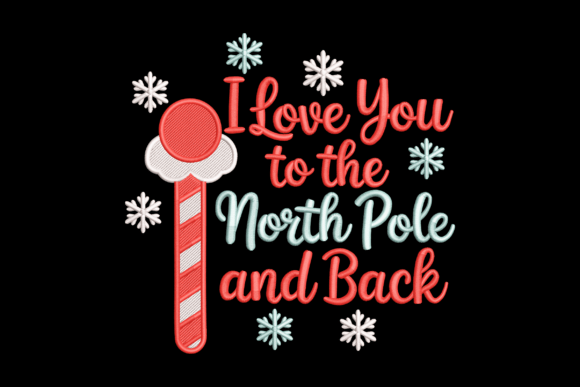
The first impression of "I Love You to the North Pole and Back" is crucial for determining its place in a commercial catalog. Based on the modern descriptor, this design likely avoids the overly dense, traditional satin stitch traps that plague older Christmas patterns. Instead, it appears to lean into cleaner lines and contemporary typography or illustration styles. For a boutique or handmade brand, this visual personality strikes a balance between playful warmth and professional polish. It does not feel like a generic clip-art graphic; rather, it feels curated for customers who appreciate aesthetic cohesion.
For business use, this modern vibe is advantageous. It allows the design to function as more than just a December decoration. If executed with neutral or muted thread colors, it can serve as a cozy winter staple for a café or bookstore well into February. However, if the design relies heavily on intricate shading or tiny text elements to convey the "North Pole" narrative, we must assess if those details survive the digitization process without becoming muddy on textured fabrics.
Commercial Viability for Small Business Merch
When integrating "I Love You to the North Pole and Back" into small business merch, versatility is key. This design shows strong potential for specific branded applications beyond standard holiday cards.
- Apron Embroidery: For bakeries and florists, this design works beautifully as a left-chest accent on canvas aprons. The phrase evokes care and distance, aligning perfectly with businesses that ship products or offer personalized service. The modern style ensures the apron looks stylish rather than costumey.
- Tote Bag Design: Canvas totes are high-margin items for craft fairs and retail shops. This design provides a fresh, eye-catching accent that encourages reuse. Because tote bags often have a rougher weave, the design’s modern nature likely accommodates the fabric texture better than a delicate vintage pattern would.
- Staff Uniforms and Caps: For a coffee shop or gift shop, this can serve as a limited-edition staff uniform element. On caps, however, caution is required. The horizontal span of "North Pole and Back" must be evaluated against the curved surface of a hat front to prevent distortion.
- Customer Gifts and Packaging: Embroidered patches featuring this design can be added to product packaging or given as loyalty gifts. A patch transforms a simple purchase into a collectible handmade product experience, increasing perceived value.
Production Constraints and Technical Considerations
Despite its modern appeal, "I Love You to the North Pole and Back" presents specific challenges for commercial embroidery. As a designer, I urge you to evaluate the following technical aspects before running a full production batch.
Stitch Density and Fabric Compatibility
The description mentions customizing t-shirts and towels. These two substrates require vastly different approaches. T-shirts are knit and stretchy; towels are pile and absorbent. If the stitch density of this design is too high, it will cause puckering on lightweight tees. Conversely, if it is too sparse, the stitches will sink into towel loops, rendering the text illegible. You must verify if the digital embroidery file includes underlay compensation appropriate for your target garment. Always test on the actual fabric you intend to sell, not just a scrap piece of stable cotton.
Sizing and Legibility
The phrase "I Love You to the North Pole and Back" is text-heavy. In cap embroidery or small patch sizes, long phrases risk becoming unreadable. Before purchasing or stitching, measure the physical dimensions of the design area. If the lettering height drops below 4mm at your desired size, the design may fail commercially. For embroidered patches, ensure the border definition remains crisp when scaled down. A blurry edge on a patch signals low quality to customers, undermining your brand identity.
Hoop Size and Stabilizer Selection
Confirm the required hoop size matches your machine capabilities. Modern designs sometimes utilize larger fields to maintain spacing. Additionally, because this design targets trendy items, proper stabilizer selection is non-negotiable. Using a tear-away on a stretchy t-shirt for this design could result in warped lettering after the first wash. Invest time in selecting the correct backing to ensure the finished product maintains its shape and professional appearance.
Impact on Brand Identity and Customer Trust
Using "I Love You to the North Pole and Back" is not merely about adding a festive graphic; it is a strategic branding decision. For Etsy sellers and creative studios, consistency builds trust. If your shop aesthetic is minimalist and modern, this design reinforces that identity. However, if your brand is strictly corporate or utilitarian, the emotional weight of the phrase might clash with your existing design assets.
Furthermore, the quality of the embroidery directly impacts customer perception. A clean, well-registered stitch-out of this design communicates attention to detail. It tells the buyer that you care about the finished product as much as they do. In the competitive landscape of custom apparel, these subtle signals of quality differentiate a premium handmade brand from a mass-produced alternative. The design serves as a vehicle for emotional connection, but only if the execution is flawless.
Essential Designer Notes for Implementation
To maximize the ROI of "I Love You to the North Pole and Back," follow this pre-production checklist:
- Create a Printable Mockup: Before stitching, overlay the design on a photo of your actual merchandise. Does the scale look right? Is the placement balanced? A printable mockup saves thread and time by identifying visual issues early.
- Test in Black and White: Run a grayscale or single-color test stitch. This reveals structural flaws in the digitizing that color changes might hide. If the design holds up in one color, it is robust enough for multi-color production.
- Verify Commercial Licensing: Never assume a design is cleared for business use. Check the license terms specifically for commercial embroidery rights. Selling items made with an unlicensed file exposes your business to legal risk.
- Check Thread Contrast: Test the design on both light and dark fabrics. Modern designs often rely on negative space. Ensure the contrast is sufficient for visibility on all intended garment colors.
- Wash Test: If selling t-shirts or towels, wash and dry the test sample. Inspect for shrinkage, thread breaks, or stabilizer residue. Your customers will wash the item; your testing must simulate their experience.
- Compare Beside Other Assets: Place this design next to your current best-sellers. Does it elevate your collection or dilute it? Ensure it complements your existing inventory strategy.
"I Love You to the North Pole and Back" offers significant potential for businesses looking to add a modern, emotive touch to their merchandise. By respecting the technical requirements of apron embroidery, tote bag design, and general apparel decoration, you can transform this digital file into a tangible asset that drives sales and strengthens customer loyalty. Always prioritize production testing over assumption, and let the quality of your craftsmanship define your brand this season.