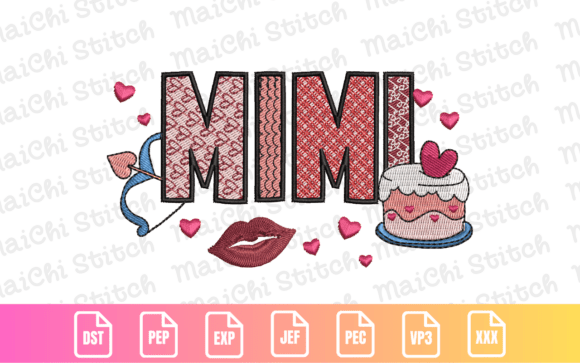
Valentine Mimi: A Designer’s Stitch-Out Review
When evaluating a new machine embroidery design for my shop, I look beyond the digital preview. The screen tells me what the digitizer intended, but only a physical stitch-out reveals how the design behaves under the needle. As someone who creates custom apparel and personalized gifts year-round, I approached the Valentine Mimi design with a critical eye. This isn't just about whether the file opens correctly; it is about determining if this specific aesthetic translates into a high-value finished product that customers will actually want to buy or receive.
My first impression of Valentine Mimi was that it strikes a difficult balance between playful and polished. Many holiday designs lean too far into cartoonish territory, making them unsuitable for adult apparel or sophisticated nursery decor. However, the bold decorative letters filled with pink patterns suggest a modern, boutique feel. The surrounding elements—floating hearts, lips, and Cupid’s bow—are arranged in a way that feels organic rather than cluttered. For an Etsy seller or craft business owner, this visual personality is crucial. It signals that the item is handmade with intention, not mass-produced clip art slapped onto fabric.
Real-World Application: The Sweatshirt Test
To truly judge the viability of Valentine Mimi, I mentally mapped it onto a current best-seller in my lineup: the oversized cotton fleece sweatshirt. Holiday embroidery on heavy knit fabrics presents unique challenges. The stitch density must be sufficient to cover the fabric texture without causing puckering or distortion.
In this scenario, the bold lettering of Valentine Mimi acts as an anchor. Because the letters are filled with patterns rather than solid satin columns, they likely offer better stability on stretchy knits than traditional block text would. The floating accents serve as excellent transition points, allowing the eye to move across the chest area without creating a heavy, stiff center spot. For a sweatshirt embroidery project, this layout is ideal because it accommodates the natural drape of the garment. If you are preparing custom apparel for Valentine's Day, this design offers enough negative space to prevent the "bulletproof vest" effect that dense embroidery can sometimes create on soft garments.
Versatility Across Product Categories
Beyond apparel, I evaluated how this embroidery file might perform on other substrates common in small shops:
- Tote Bag Design: Canvas totes provide a stable base. The intricate pink patterns within the letters will show up beautifully here, as canvas doesn't swallow stitches like fleece does. This makes Valentine Mimi a strong candidate for reusable gift bags or market totes.
- Baby Embroidery: While the theme is romantic, the color palette and font style could easily translate to a sweet "Mimi" (grandmother) gift or a nursery pillow. However, for baby items directly touching skin, I would verify that the reverse side isn't too scratchy due to the complex fill stitches.
- Holiday Embroidery Accessories: Kitchen towels and aprons are classic sellers. The floating hearts and lips add a festive touch without being overwhelming, making this suitable for functional items that need to withstand washing.
Technical Considerations and Fabric Limitations
No digital embroidery file is perfect for every situation. Based on the description of bold letters and detailed accents, there are specific environments where Valentine Mimi requires caution. As a professional, I always advise testing before committing to a final embroidery project.
Textured and Pile Fabrics: If you plan to stitch this on terry cloth towels or minky blankets, the fine details in the floating hearts and lips may get lost. You might need to use a water-soluble topping to ensure the running stitch details remain crisp. Without it, the design risks looking muddy after the first wash.
Stretchy Performance Wear: While great for cotton fleece, highly elastic athletic wear is risky. The combination of pattern-filled letters and surrounding elements creates a larger stitch footprint. On four-way stretch fabrics, this could restrict movement or cause tunneling unless you use a specialized cutaway stabilizer and potentially reduce the density slightly in your software.
Small Hoop Sizes: Bold decorative letters require room to breathe. If you attempt to resize Valentine Mimi down to a 4x4 hoop size for a pocket logo or cap, the internal pink patterns may become indistinguishable. Always check the minimum recommended size. Resizing complex fills often leads to thread breaks and poor registration.
Impact on Perceived Value and Brand Trust
For creative entrepreneurs, the choice of design directly impacts pricing power. Customers can distinguish between generic clip art and thoughtful digitizing. Valentine Mimi contributes to a premium perception because of its layered complexity. When a buyer sees the interplay between the letter fills and the floating motifs, they recognize the time and skill involved in production.
This level of detail also enhances printable mockup quality. When listing items online, clear, high-resolution images of the stitched design build trust. The distinct shapes of the lips and bow provide recognizable focal points in thumbnail photos, increasing click-through rates compared to simpler, less defined designs. For those selling design assets or finished goods, this visual clarity is a marketing asset in itself.
Designer Notes for Successful Execution
Before loading Valentine Mimi into your machine for a client order or shop stock, run through this practical checklist:
- Verify Licensing: Confirm whether your purchase includes commercial rights for selling finished products or if it is limited to personal use. Never assume; always check the specific terms provided with the file.
- Thread Color Contrast: The design features pink patterns, but test how these read against different background fabrics. A pale pink fill on white fabric may lack definition, while the same fill on navy creates stunning contrast. Adjust thread colors to match your brand palette while maintaining visibility.
- Stabilizer Selection: Given the mix of bold letters and delicate accents, a medium-weight cutaway is generally safest for apparel. For woven fabrics like tote bags or tea towels, a tear-away may suffice, but ensure the perimeter is secure.
- Mockup Testing: Create black and white versions of your product photos. If the design holds its shape and readability without color, the structure is sound. This helps identify if any elements rely too heavily on color contrast rather than stitch definition.
- Wash Test: If selling personalized gift items like baby blankets or kitchen linens, wash and dry your sample three times. Inspect the edges of the letters and the floating hearts for fraying. This step prevents returns and protects your reputation.
Ultimately, Valentine Mimi represents a versatile option for makers looking to elevate their seasonal offerings. It moves beyond basic novelty into the realm of thoughtful textile design. By respecting the technical requirements of the file and matching it to the appropriate substrate, you can transform this embroidery design into a standout piece in your collection. Whether you are stitching a keepsake for a beloved grandmother or stocking your shop for the February rush, success lies in understanding how the digital art interacts with the physical world. Take the time to test, adjust, and refine, and your results will reflect the professionalism your customers expect.