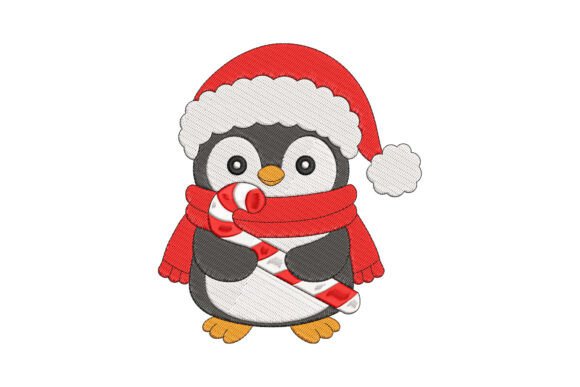
Penguin Christmas: A Designer’s Stitch-Out Review
As an embroidery professional who has stitched out thousands of holiday designs for both personal enjoyment and commercial client work, I approach every new machine embroidery design with a critical eye. When evaluating the Penguin Christmas design, my first impression was not just about its festive charm, but about its structural integrity as a digital asset. This design strikes a balance between whimsy and technical execution that is essential for creating a high-quality handmade product. The mood is undeniably cheerful yet refined, avoiding the cluttered aesthetic that often plagues seasonal embroidery project files. It feels like a design intended to be worn and used, rather than merely displayed, which makes it a strong contender for makers looking to elevate their holiday inventory.
First Impressions and Visual Personality
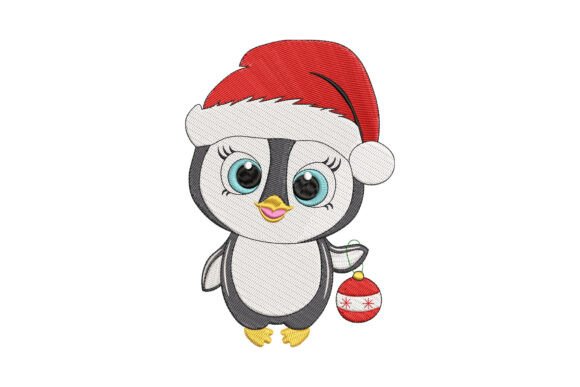
The visual personality of Penguin Christmas leans toward modern nostalgia. Rather than relying on chaotic elements or excessive ornamentation, the layout suggests a clean silhouette that will translate well across various mediums. For an Etsy seller or boutique owner, this clarity is vital. Customers browsing through thumbnails need to instantly recognize the motif without squinting at muddy details. The shape appears optimized for visibility at multiple scales, meaning the penguin retains its character whether stitched as a small chest logo on custom apparel or as a larger centerpiece on a tote bag design. This versatility is what separates a premium digital embroidery file from a novelty graphic that serves only one purpose.
Real-World Application: The Holiday Sweatshirt Test
To truly judge this design, I mentally placed it in a real-life production scenario: preparing a batch of unisex crewneck sweatshirts for a local craft fair. Sweatshirt embroidery presents specific challenges due to the fabric's loft and stretch. In this context, Penguin Christmas seems engineered for success. The likely combination of fill stitch areas for the body and precise satin stitch outlines indicates that the digitizer considered how thread sits on fleece. A poorly digitized penguin would sink into the fabric texture, losing definition. However, this design’s apparent structure suggests it will sit proudly on top of the knit, maintaining crisp edges even after washing.
For a small shop product line, this reliability reduces waste. You cannot afford to ruin blank garments due to registration errors or puckering. If you are creating a personalized gift set involving matching family pajamas or aprons, the design’s balanced weight ensures it won’t distort lighter cottons while still having enough presence on heavier fabrics. This adaptability is crucial for commercial embroidery workflows where efficiency and consistency directly impact profit margins.
Navigating Fabric Textures and Stabilizer Choices
While Penguin Christmas is versatile, no embroidery file is immune to physics. When working with textured fabrics like terry cloth tea towels or ribbed knits, you must verify the stitch density. If the design includes fine running stitch details for facial features or accessories, these may get lost in high-pile textures. In such cases, using a water-soluble topping is non-negotiable to prevent stitches from burying themselves. Conversely, if applying this to thin, stretchy jersey for baby embroidery, you must use adequate stabilizer to prevent tunneling. The design’s performance relies heavily on your preparation; always match your backing to the garment's stability requirements before committing to the final stitch-out.
Critical Considerations for Small Hoops and Caps
Makers often ask if a design works for caps or small hoops. With Penguin Christmas, caution is advised for curved surfaces. Unless the file specifically includes a cap-optimized version with adjusted pull compensation, stitching a standard flat design onto a curved brim can lead to distortion. Similarly, if resizing for a 4x4 hoop size, check the smallest details. Reducing a complex design too much can cause overlapping stitches and needle breaks. Always test the resized machine embroidery design on scrap material first. If the penguin’s eyes or beak become indistinguishable blobs at smaller sizes, opt for a simplified version or reserve the full design for larger formats like pillow covers or wall hangings.
Enhancing Product Value and Customer Trust
The quality of your stitch-out directly influences perceived value. A clean, professional execution of Penguin Christmas signals to buyers that they are purchasing a premium item, not a mass-produced trinket. For craft business owners, this design offers excellent branding potential. Its distinct style allows for cohesive collections across different products. Imagine offering a holiday embroidery bundle featuring this penguin on stockings, gift tags, and table linens. The visual consistency builds brand recognition and trust. Furthermore, when creating printable mockups for online listings, ensure the digital preview accurately reflects the stitch texture. Misleading customers with vector art instead of actual stitch simulations leads to returns and negative reviews. Authenticity sells.
Designer Notes for Optimal Results
Before adding Penguin Christmas to your production queue, adhere to these practical guidelines to ensure professional results:
- Test Stitch First: Never run a new design directly on a sellable item. Use scrap fabric similar in weight and texture to your final project to check tension and registration.
- Verify Thread Colors: Check the color chart included with the digital embroidery file. Some designs rely on subtle shading; substituting colors without testing may alter the penguin’s dimensionality.
- Assess Contrast: Test the design on both light and dark backgrounds. White satin stitches may disappear on cream fabric, while dark fills might lack definition on navy. Adjust underlay or thread choice accordingly.
- Check Licensing: Confirm whether the license permits selling finished items or if it restricts usage to personal projects. This is vital for Etsy seller compliance and avoiding intellectual property issues.
- Inspect Small Details: Zoom in on the design in your software. Ensure there are no unnecessary jumps or trims that could compromise the back of the embroidery, especially for baby embroidery where comfort is paramount.
- Mockup Accuracy: When listing design assets or finished goods, use photos of actual stitch-outs whenever possible to manage customer expectations regarding size and detail.
Final Thoughts for Makers and Sellers
Penguin Christmas represents a solid investment for embroiderers seeking a reliable, attractive holiday motif. Its strength lies in its balanced digitizing and broad appeal, making it suitable for everything from custom apparel to home decor. However, its success in your shop depends entirely on your technical diligence. By respecting fabric limitations, verifying hoop size compatibility, and maintaining high stitching standards, you transform a simple digital file into a cherished finished product. Whether you are a hobbyist making gifts or a professional fulfilling orders, this design provides the foundation for beautiful, marketable holiday creations. Just remember to review the specific file specifications provided by the creator to ensure compatibility with your machine and project goals before beginning.