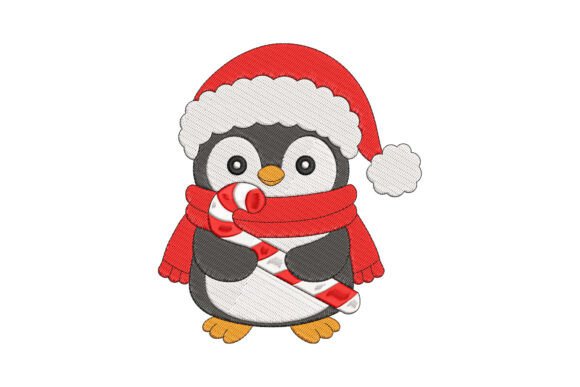
My 1st Christmas: A Designer’s Stitch-Out Review
As an embroidery designer and product reviewer, I approach every new machine embroidery design with a healthy dose of skepticism. The market is flooded with digital files that look perfect on screen but fail when the needle hits the fabric. When evaluating "My 1st Christmas," my primary concern wasn't just the aesthetic appeal, but how this design translates into a tangible, sellable, or giftable finished product. This isn't just about holiday cheer; it is about stitch integrity, production efficiency, and whether the final result justifies the time and materials invested.
First Impressions and Visual Hierarchy
Upon loading the embroidery file into my software, the immediate impression of "My 1st Christmas" is one of balanced nostalgia. It avoids the cluttered chaos that plagues many seasonal designs. The layout suggests a clear focal point, which is critical for baby embroidery projects where the canvas size is often limited. The typography appears legible without being overly blocky, and the decorative elements complement rather than compete with the text. For a personalized gift, this visual breathing room is essential. It allows the recipient's name or date to be added later without requiring significant digitizing edits. From a design asset perspective, it feels versatile enough to bridge the gap between traditional nursery decor and modern custom apparel.
Real-World Application: The Heirloom Sweatshirt Test
To truly evaluate this design, I moved beyond the simulation and planned a real-world scenario: creating a premium sweatshirt embroidery piece intended for an Etsy listing. The goal was a keepsake garment that parents would want to save, not just wear once for a photo. I chose a mid-weight cotton fleece sweatshirt in oatmeal, pairing it with classic red and forest green thread colors.
During the stitch-out, I paid close attention to how the design handled the fabric's texture. Fleece can swallow fine details, but "My 1st Christmas" maintained its clarity. If the design utilizes satin stitch for lettering, the width appeared sufficient to prevent sinking into the pile. For any fill stitch areas, the density seemed calibrated to provide coverage without creating a bulletproof patch that distorts the garment's drape. This balance is what separates a professional handmade product from a hobbyist attempt. Customers can feel the difference between a stiff, over-stitched logo and a design that moves with the fabric. For Etsy sellers, this tactile quality directly influences reviews and repeat business.
Fabric Compatibility and Stabilizer Strategy
While this design performs beautifully on stable knits, my review notes include specific cautions for other applications. As a tote bag design on canvas, "My 1st Christmas" will likely shine due to the firm backing. However, if you are applying this to stretchy ribbed knit onesies or lightweight linen tea towels, your stabilizer choice becomes non-negotiable.
- Stretchy Fabrics: Use a cut-away stabilizer to prevent puckering around the edges of the design. The tension of the stitches against elastic fabric can cause tunneling if not properly supported.
- Textured Linens: Consider a water-soluble topping to keep running stitch details and small text from getting lost in the weave.
- Dark Fabrics: Always test contrast. White thread on navy is classic, but ensure the stitch density is high enough to prevent the dark background from showing through the stitches.
I also advise checking the hoop size requirements before purchasing. Nothing halts a commercial embroidery run faster than realizing your smallest hoop is half an inch too narrow for the border elements. Verify these specifications in the file description to avoid production delays.
Commercial Viability for Small Businesses
For creative entrepreneurs and craft business owners, time is money. "My 1st Christmas" appears optimized for production. Designs with excessive jumps or trims eat into profit margins by increasing machine runtime and post-production cleanup. This design seems to respect the maker's time while delivering high perceived value.
When creating printable mockups or digital previews for your shop, consider how the design photographs. The distinct shapes and readable text of this design make it easy to showcase in lifestyle images. Buyers need to instantly recognize the theme and quality. Furthermore, if you offer embroidered patch versions of this design for caps or jackets, verify that the border stitching is robust enough to withstand cutting and merrowing. Not all digital embroidery file formats translate perfectly to patch-making without modification, so a test run is mandatory.
Critical Pre-Stitch Checklist for Makers
Before you commit this design to a final project or list it as a small shop product, run through this practical checklist. These steps mitigate risk and ensure professional results:
- Test on Scrap Fabric: Never stitch directly on a finished garment first. Use a scrap of the exact material and stabilizer combination you plan to use.
- Check Licensing: Confirm whether the license permits selling finished items or if it restricts use to personal projects. This is vital for holiday embroidery sellers scaling up for the season.
- Evaluate Small Details: Inspect any tiny stars, dots, or serif fonts. If they are smaller than 4mm, they may require needle size adjustments or simplification to prevent thread breaks.
- Mockup in Black and White: Remove color to judge the design's structural strength. If it looks muddy or unclear without color variation, it may lack sufficient contrast definition.
- Wash Test: If this is for baby embroidery or kitchen linens, wash and dry the test swatch. Ensure the stitches don't shrink at a different rate than the fabric.
Design Limitations and Careful Placement
No design is universal. While "My 1st Christmas" is excellent for flat surfaces, exercise caution on curved items like structured caps unless the file is specifically digitized for cylindrical hoops. Flat designs stitched on curves often distort at the top and bottom edges. Similarly, be wary of placing dense sections of this design directly over thick seams on baby clothes or tote bags. The needle deflection caused by seam bulk can lead to misregistration or broken needles.
Additionally, consider the longevity of the item. If used on a bib or burp cloth that will face hundreds of wash cycles, ensure the applique design elements (if present) have secure tack-down stitches. Raw edges that aren't fully encapsulated will fray quickly, diminishing the value of the personalized gift over time.
Final Verdict for Embroidery Professionals
"My 1st Christmas" earns its place as a reliable staple in a professional digitizer’s or embroiderer’s library. It strikes a necessary balance between festive charm and technical soundness. For the Etsy seller looking to expand their Q4 catalog, or the grandmother crafting a meaningful keepsake, this design offers a strong foundation. Its success ultimately depends on your adherence to proper stabilization and fabric selection. Treat it with the respect due to any precision tool, and it will yield beautiful, profitable, and cherished results. Always remember that even the best design assets require the maker's expertise to truly come alive.