Wizard Duck on Broom: A Seasonal Embroidery Review
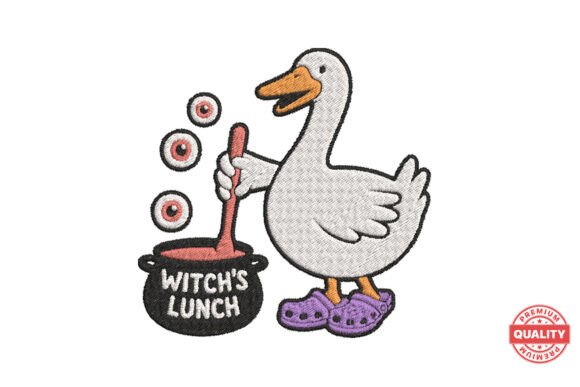
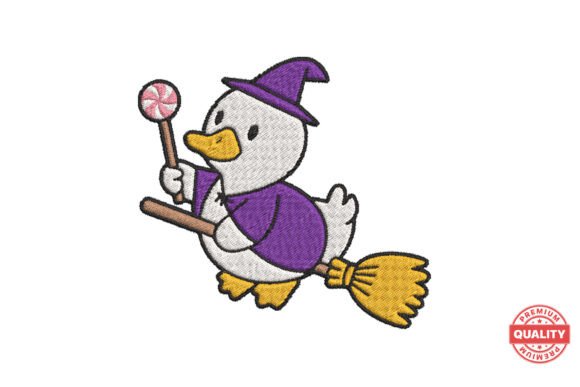
As I curate this year’s autumn and Halloween collection for my shop, I am constantly evaluating which designs will translate best from a digital screen to a tangible, sellable product. The Wizard Duck on Broom machine embroidery design immediately caught my attention during my latest sourcing session. When building a seasonal inventory, we look for that perfect intersection of technical viability and emotional resonance. This design offers a whimsical, nostalgic charm that feels less like a generic spooky graphic and more like a cozy storybook illustration. For Etsy sellers and apparel decorators, this distinction is vital. Customers are increasingly seeking holiday embroidery that feels handmade and heartwarming rather than mass-produced. My initial assessment suggests this design captures that playful yet premium aesthetic necessary for high-performing seasonal products.
Evaluating Seasonal Mood and Product Versatility
The first impression of the Wizard Duck on Broom is undeniably cute with a touch of vintage magic. It avoids being overly scary, making it an excellent candidate for family-friendly merchandise. In my experience, designs that balance festive themes with universal appeal tend to have a longer sales window, moving successfully from early October through Thanksgiving. The personality in this artwork suggests it will perform exceptionally well across various categories. I can easily visualize this as a centerpiece for sweatshirt embroidery on cream or heather grey fleece, creating a trendy, comfortable garment for fall festivals. Similarly, as a tote bag design, it appeals to shoppers looking for reusable bags with character for trick-or-treating or farmers market runs.
Beyond apparel, this design has strong potential for home decor. Kitchen towel embroidery featuring this motif would make a delightful handmade gift for hosts during the holiday season. Because the subject matter is distinct but not cluttered, it also scales down effectively for smaller projects. I see great potential for using this as an embroidered patch for denim jackets or as a focal point on a pillow cover for seasonal mantel styling. For those creating personalized gifts, the negative space around the duck allows for easy customization with names or dates without compromising the integrity of the original art. This versatility makes the Wizard Duck on Broom a high-value asset for any small shop product lineup focused on autumn celebrations.
Technical Performance in Real Selling Scenarios
A pretty digitization file means nothing if it does not stitch out cleanly on commercial equipment or home machines. When reviewing this embroidery file for production, I am looking at how it handles real-world selling situations. For craft fair displays, items need to be visually readable from a distance. The silhouette of the wizard duck provides that necessary bold visual recognition. However, for digital sales, your printable mockup must accurately represent the texture. Because this design is full of personality, flat digital renderings often fail to capture the stitch texture. I recommend stitching a sample specifically for photography to showcase the thread sheen and dimensionality, which significantly boosts customer trust and engagement.
For sellers offering finished products, consistency is key. You need to know that the hundredth stitch-out looks identical to the first. This design appears optimized for stable fabrics, but you must verify the stitch density before committing to bulk production. High-density fills can cause puckering on lightweight t-shirts, while low-density fills might look sparse on textured canvas. As an experienced designer, I always advise testing the design on the exact fabric you intend to sell. If you are planning limited edition apparel drops, ensure your stabilizer choice matches the fabric weight perfectly. A tear-away might suffice for sturdy tote bags, but a cut-away is likely non-negotiable for stretchy knit sweatshirts to prevent distortion over time. These technical checks protect your brand reputation and reduce waste.
Navigating Fabric Limitations and Hoop Constraints
While the Wizard Duck on Broom is versatile, there are specific applications where caution is required. Small hoop sizes are the most common pitfall with detailed character designs. Before purchasing or stitching, you must confirm the physical dimensions against your available hoops. Resizing a complex design too small can result in lost details or thread breaks, especially in areas like the broom bristles or facial features. Always check the minimum recommended size provided by the digitizer. Additionally, be wary of using this design on high-pile towels or thick plush fabrics without proper preparation. The fine details may get swallowed by the fabric texture unless you use a water-soluble topping to keep the stitches visible and crisp.
Dark fabrics present another challenge. If the design relies heavily on light-colored threads for contrast, switching to black or navy garments may require significant color swapping or underlay adjustments. Metallic threads can add a magical sparkle appropriate for Halloween, but they increase friction and breakage risk. If you plan to incorporate metallics for a premium feel, test extensively first. Furthermore, consider the end-use care instructions. Items intended for repeated washing, such as baby bibs or kitchen linens, require secure satin stitch borders and adequate underlay to withstand laundering. Curved surfaces like caps are generally ill-advised for this type of centered, scenic composition due to distortion risks. Stick to flat, stable surfaces for the best commercial embroidery results.
Designer Notes for Successful Holiday Production
To maximize the success of the Wizard Duck on Broom in your seasonal collection, follow these practical designer protocols. First, never assume default thread colors are optimal for every fabric. Test thread colors on both light and dark backgrounds to ensure the mood remains consistent. Second, review the commercial licensing terms explicitly. Just because you bought the digital embroidery file does not automatically grant unlimited production rights for finished goods. Clarify these limits before listing items to avoid legal issues.
- Stabilizer Selection: Match the stabilizer to the fabric stretch and weight; do not rely solely on tear-away for knits.
- Mockup Accuracy: Create realistic mockups using actual stitch-outs rather than digital overlays to set accurate buyer expectations.
- Color Palettes: Plan matching color palettes that coordinate with current fall fashion trends to increase perceived value.
- Detail Check: Inspect small details after stitching a test run to ensure registration holds up at your chosen size.
- Hoop Verification: Confirm hoop size compatibility before starting, as resizing intricate art can compromise stitch quality.
Ultimately, adding the Wizard Duck on Broom to your catalog is a strategic move for the upcoming holiday season. It bridges the gap between niche Halloween enthusiasm and broad autumnal coziness. By respecting the technical requirements and leveraging its inherent charm, you can create a range of products that resonate deeply with buyers. Whether you are producing embroidered patches for quick sales or investing time in high-end sweatshirt embroidery, this design offers a solid foundation for seasonal profit. Remember that successful holiday embroidery is about more than just the image; it is about the confidence your customers feel when they receive a well-made, thoughtfully crafted item. Take the time to test, adjust, and perfect your process, and this design will undoubtedly become a staple in your seasonal rotation.