Aesthetic Anti Social Butterfly: Craft Fair Review
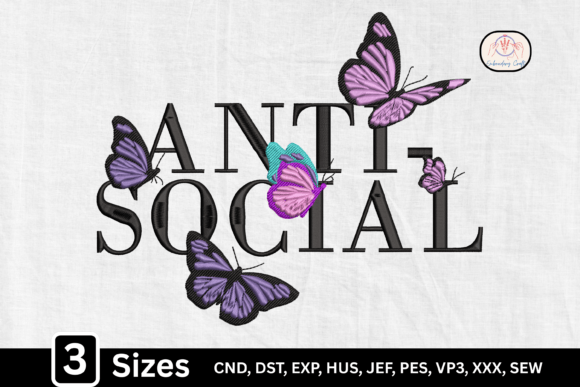
As an experienced embroidery designer preparing for a weekend craft fair, I approach every new machine embroidery design with a critical eye. It is not enough for a file to look good on a screen; it must translate into a profitable craft fair product that catches the attention of shoppers walking past a booth. When reviewing the Aesthetic Anti Social Butterfly, my immediate assessment focuses on its unique blend of bold, modern typography and delicate pastel accents. This juxtaposition creates a specific mood that resonates deeply with current market trends, particularly among younger demographics who appreciate irony wrapped in soft aesthetics.
The first impression of this design is distinctly modern yet approachable. It avoids the harshness often associated with "anti-social" messaging by utilizing elegant typography and nature-inspired motifs. For an Etsy seller or boutique maker, this balance is crucial. It signals that the item is trendy without being aggressive. In the context of Awareness Inspiration, this design serves as a gentle nod to mental health boundaries and introversion, making it highly relatable. As I plan my table display, I can see this design acting as a conversation starter rather than just a decorative element.
Best Product Applications for Market Sales
Determining where to place the Aesthetic Anti Social Butterfly requires understanding how customers interact with different goods at a market. Not every embroidery file works universally across all blanks. Based on the description of bold text with pastel butterflies, here is my professional evaluation of product viability:
- Tote Bag Design: This is likely your strongest seller. Canvas tote bags provide a stable, flat surface ideal for the bold typography. The contrast between natural canvas and pastel threads will pop visually from a distance. Totes are also high-traffic items at markets, serving as walking advertisements for your brand.
- Apron Embroidery: Perfect for the "introverted baker" or gardener niche. The design should be placed centrally on the bib or lower pocket area. Ensure the fabric texture of the apron is smooth enough to support detailed lettering without distortion.
- Tea Towel Embroidery: While popular, tea towels require caution. Flour sack towels are excellent, but waffle-weave textures may cause small butterfly details to sink. If using this design on towels, test the stitch density first to ensure legibility.
- Embroidered Patch: Given the aesthetic nature, creating standalone patches allows customers to customize their own denim jackets or bags. This lowers the price point entry for buyers and increases volume sales potential.
- Caps and Hats: Proceed with care. Curved surfaces can distort modern typography. If hooping caps, use a specialized cap frame and verify that the design height fits within the safe stitch area of your specific machine.
Production Practicality and Booth Display Strategy
For a handmade product line to be sustainable, production efficiency matters. The Aesthetic Anti Social Butterfly appears optimized for batch production due to its typographic focus. Text-heavy designs generally run faster and more consistently than complex photographic images. However, the inclusion of delicate pastel elements means thread colors must be managed carefully. Pastels can show dirt or oil marks easily during hooping, so clean hands and fresh stabilizers are non-negotiable during production runs.
When setting up a booth display, visual hierarchy is key. Because this design features bold typography, it reads well from five to ten feet away. I recommend placing finished samples at eye level. Grouping items by color palette—perhaps coordinating the pastel threads with matching booth signage—creates a cohesive brand experience. For digital sellers offering the digital embroidery file, high-quality printable mockup assets are essential. Customers need to visualize how the bold text interacts with the soft butterflies before purchasing the download.
From a value perspective, this design elevates perceived worth. Generic floral patterns are common, but typography with personality commands a higher price point. Shoppers are paying for the sentiment and the aesthetic alignment with their identity. As a small shop product, it bridges the gap between novelty and heirloom quality, provided the execution is flawless.
Technical Considerations and Careful Use Notes
Even the most beautiful commercial embroidery design can fail if technical parameters are ignored. Before listing the Aesthetic Anti Social Butterfly for sale or stitching it for inventory, consider these critical factors:
- Fabric Compatibility: Bold typography demands stability. Avoid stretchy knits unless using heavy-duty cutaway stabilizer. On dark fabrics, ensure the pastel threads have sufficient opacity or underlay to prevent the fabric color from bleeding through the stitches.
- Size Limitations: Do not resize this design below its intended minimum. Small lettering combined with delicate butterfly wings can turn into a thread nest if reduced too aggressively. Always check the minimum recommended size in the design specs.
- Hoop Size Verification: Confirm your hoop size accommodates the full design plus adequate margin for stabilization. Running out of space mid-stitch ruins both the product and the profit margin.
- Stitch Density Check: Modern typography often uses satin stitches. If the density is too high for your chosen fabric, you risk puckering or needle breaks. Test on scrap material that matches your final product weight exactly.
- Licensing Compliance: Before selling finished goods or the file itself, verify the commercial license terms included with the Aesthetic Anti Social Butterfly. Protecting your business starts with respecting intellectual property rights.
Designer’s Pre-Launch Checklist
Success at a craft fair or online marketplace relies on preparation. As you integrate this design assets package into your workflow, follow this practical checklist to ensure professional results:
- Create Real Mockups: Never rely solely on digital renders. Stitch at least one physical sample to photograph. Natural lighting photos of the actual finished product convert significantly better than computer-generated images.
- Test Thread Contrast: Pastel threads vary wildly between brands. What looks soft pink on screen might read as white on cream fabric. Verify contrast ratios physically before bulk production.
- Review Spacing and Kerning: Inspect the spacing between letters and butterfly elements. Adequate negative space prevents the design from looking cluttered, maintaining that coveted "aesthetic" vibe.
- Validate Stabilizer Choice: Match stabilizer type to fabric weight. Tear-away for stable wovens, cut-away for stretch, and water-soluble topping for textured surfaces like terry cloth or fleece.
- Check File Integrity: Ensure the embroidery file format matches your machine requirements. Corrupt files waste time and materials. Always run a test stitch-out after transferring to your machine.
The Aesthetic Anti Social Butterfly represents a strong opportunity for creative entrepreneurs. Its blend of modern sentiment and classic technique makes it versatile across multiple product categories. By focusing on quality execution, appropriate product selection, and strategic merchandising, this design can become a staple in your handmade product lineup. Remember that in the world of Embroidery, the difference between a hobbyist output and a professional product lies entirely in these deliberate, thoughtful decisions. Take the time to test, refine, and present this design with the professionalism it deserves, and your customers will respond accordingly.