Teacup Embroidery Design: A Maker’s Review
As an embroidery designer who manages a steady stream of custom orders for my small business, I am constantly evaluating new digital assets to ensure they meet the high standards my customers expect. When planning inventory for personalized gifts, specifically within the Tea Coffee category, finding a versatile and reliable machine embroidery design is crucial. Recently, I tested the Teacup design to determine its viability for upcoming wedding gift collections and baby registry items. This review reflects my hands-on experience testing this embroidery file in a real-world production environment, focusing on stitch quality, marketability, and practical application for fellow Etsy sellers and crafters.
First Impressions: Charm Meets Technical Precision
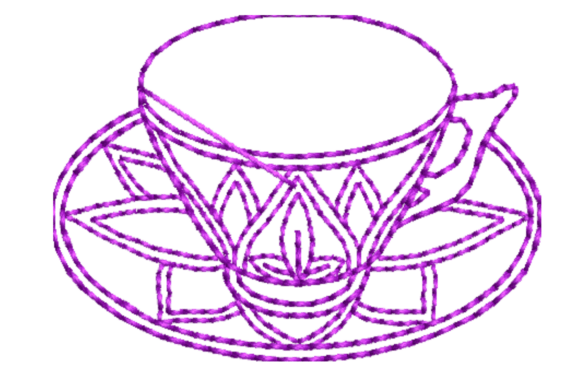
Upon loading the Teacup design into my embroidery software, the immediate impression was one of classic elegance balanced with modern accessibility. For those of us in the handmade product space, we know that a design must evoke emotion before a single needle penetrates the fabric. This design captures a cozy, nostalgic mood that translates beautifully across different demographics. It does not feel overly complex or dated; rather, it strikes a sweet spot between playful and sophisticated.
From a technical standpoint, the digitizing appears clean. The stitch density seems well-calibrated, avoiding the common pitfall of being too dense for lightweight fabrics or too sparse for textured linens. As I reviewed the color stops, I appreciated the logical progression, which minimizes thread changes and keeps production time efficient. For a small shop product where margins matter, a design that stitches out smoothly without excessive trims or jumps is a significant asset. The aesthetic suggests it would pair perfectly with cursive monograms or simple block lettering, making it an ideal anchor for custom embroidery projects.
Real-World Applications for Personalized Gifts
The true test of any embroidery file is how it performs on actual merchandise. During my evaluation, I envisioned several specific use cases where Teacup would excel as a personalized gift.
- Kitchen Linens and Towels: This is perhaps the most natural home for this design. An embroidered towel featuring this teacup motif adds instant warmth to a kitchen. It works exceptionally well as a hostess gift or a housewarming present. The design’s scale allows it to sit comfortably above the hemline of standard flour sack towels without overwhelming the fabric texture.
- Baby Embroidery and Nursery Decor: While tea is an adult beverage, the gentle nature of this illustration makes it surprisingly suitable for baby embroidery. I can easily see this stitched onto a soft cotton blanket or a nursery pillow cover. When paired with pastel thread colors and a child’s name, it creates a whimsical "tea party" theme that appeals to parents looking for gender-neutral, vintage-inspired decor.
- Wedding Gift Keepsakes: For wedding gift designers, this motif offers a refined alternative to traditional hearts or rings. Stitched onto a linen apron for the couple’s first meal together or a decorative pillow cover for their new home, it symbolizes domestic comfort and shared moments. It feels intentional and thoughtful, elevating the perceived value of the finished product.
- Tote Bags and Apparel: Beyond home goods, this design has strong potential for wearable art and accessories. A canvas tote bag featuring this teacup appeals to the book-lover and tea-drinker demographic prevalent on platforms like Etsy. On apparel, such as a denim jacket or cotton blouse, it serves as a charming pocket-sized accent that signals a love for slow living.
Navigating Fabric Challenges and Limitations
While Teacup is versatile, no machine embroidery design is universally perfect. Through testing, I identified specific scenarios where caution is required to maintain professional quality.
Textured and Thick Fabrics: If you are stitching this on terry cloth or heavily textured linen, the finer details of the teacup rim or handle may get lost. In these instances, I recommend using a water-soluble topping to keep the stitches crisp. Without it, the fabric texture can swallow delicate satin stitches, resulting in a muddy final appearance.
Stretchy Baby Clothes: When applying this to onesies or stretchy knit blankets, stabilization is non-negotiable. The design likely has enough structure to cause puckering if the hoop size is incorrect or the stabilizer is insufficient. Always use a cut-away stabilizer for knits to prevent distortion after washing. Test on scrap fabric first to ensure the tension holds up against the stretch of the garment.
Dark Fabrics and Contrast: The visual impact of this design relies heavily on contrast. On dark navy or black fabric, standard shading threads might disappear. You may need to adjust thread colors or add a white underlay base to make the design pop. Always create a printable mockup or a physical test stitch-out on dark fabric before accepting a custom order to avoid disappointment.
Small Lettering Integration: If you plan to add personalization beneath the teacup, be mindful of the minimum text height. Delicate script fonts smaller than 6mm often fail to register clearly next to a detailed illustration. Ensure there is adequate negative space between the graphic and the text to maintain readability and aesthetic balance.
Enhancing Perceived Value and Customer Trust
In the competitive landscape of digital embroidery file sales and finished handmade products, presentation dictates price. Using a premium design like Teacup signals to buyers that you care about quality. When customers see consistent, beautiful stitch-outs in your portfolio, it builds trust. They understand that you are not just slapping a generic clipart image onto a shirt; you are curating high-quality art.
This design enhances giftability because it tells a story. It is not merely a cup; it is a moment of peace, a celebration of hospitality, or a nod to tradition. When photographing your finished products, style them with actual tea props, vintage spoons, or fresh flowers. This contextual photography helps buyers visualize the emotional connection they will feel when giving or receiving the item. For Etsy sellers, listing photos that show the design on multiple substrates—like a towel, a tote, and a pillow—increase buyer engagement by demonstrating versatility.
Essential Production Notes for Makers
Before adding Teacup to your commercial embroidery lineup or personal project queue, please adhere to these best practices to ensure success:
- Verify Specifications: Always check the included documentation for exact stitch count, hoop size requirements, and file formats. Do not assume compatibility with your specific machine without confirmation.
- Test Stitch-Outs: Never run a new design directly on a customer’s expensive linen or silk. Test on scrap fabric of similar weight and weave to verify tension and registration.
- Stabilizer Selection: Match your stabilizer to the fabric, not just the design. Woven fabrics generally require tear-away, while knits and stretchy materials demand cut-away support.
- Thread Color Validation: Screen colors differ from thread reality. Physically compare your thread palette against the design chart to ensure accurate color matching, especially for subtle shading tones.
- Licensing Compliance: Before selling finished products featuring this design, confirm the commercial licensing terms. Respecting intellectual property protects your business reputation and supports fellow digitizers.
- Mockup Creation: Use software to generate realistic mockups for your online listings. Showing the design on a variety of products helps customers envision the possibilities and reduces pre-sale questions.
Ultimately, Teacup represents a solid investment for makers focused on the personalized gift market. Its blend of technical reliability and emotional resonance makes it a dependable choice for everything from baby embroidery to sophisticated wedding gifts. By approaching this design with proper preparation and creative styling, you can transform a simple digital file into a cherished handmade product that delights customers and grows your brand.