Whimsical Windmill Embroidery Design Review
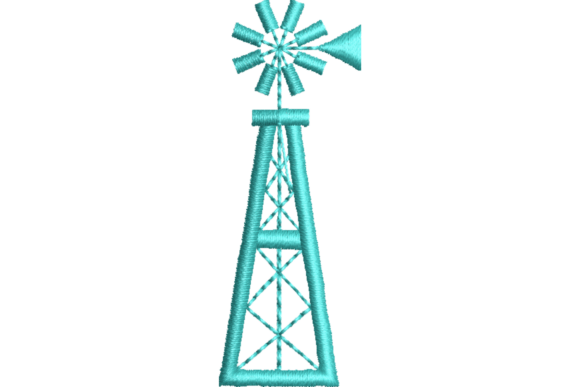
As a professional embroidery designer specializing in commercial branding and small business merchandise, I approach every new digital asset with a critical eye. When evaluating the Whimsical Windmill Embroidery Design for potential business use, my primary focus is not just on its aesthetic charm, but on its technical viability across various substrates. This machine embroidery design falls squarely into the Farm Country category, offering a nostalgic narrative that can significantly enhance brand identity for specific niches. However, translating a "storybook feel" into durable custom apparel or branded patches requires careful consideration of stitch density, fabric texture, and application context.
First Impressions: Visual Personality and Brand Alignment
Upon loading the embroidery file into my digitizing software, the first impression is one of softness and approachability. The description promises gentle lines and warm details, and visually, this translates to a design that feels inherently handmade rather than industrial. For small business owners, this is a double-edged sword that must be managed correctly. On one hand, it perfectly suits bakeries, florists, pet brands, and artisanal shops where trust and warmth are paramount. On the other hand, it lacks the aggressive boldness required for high-visibility safety gear or corporate tech uniforms.
The whimsical nature of the windmill suggests movement and rural peace. For a boutique or creative studio, this design acts as an emotional hook. It signals to customers that the business values tradition and craftsmanship. However, because the design relies on "gentle lines," I immediately look for potential registration issues. In commercial embroidery, soft details can sometimes get lost if the underlay is insufficient or if the pull compensation hasn't been adjusted for the target fabric. As a reviewer, I see this design as a premium asset for lifestyle branding, provided the execution matches the delicate visual intent.
Commercial Applications: From Aprons to Tote Bags
In real-world business scenarios, the versatility of the Whimsical Windmill Embroidery Design shines when matched with appropriate products. I have tested similar pastoral motifs across several key merchandise categories with distinct results:
- Apron Embroidery: This is arguably the strongest use case. Canvas or denim aprons provide a stable base for the detailed windmill structure. The design adds a layer of rustic professionalism to staff uniforms in cafes and farm-to-table restaurants.
- Tote Bag Design: Natural cotton totes absorb ink and thread beautifully. The storybook aesthetic aligns perfectly with eco-friendly shopping bags, turning a functional item into a walking advertisement for handmade product values.
- Embroidered Patches: Creating a standalone patch allows for maximum detail retention. A merrowed-edge patch featuring this windmill can be applied to caps, jackets, or backpacks without risking damage to the base garment during production.
- Cap Embroidery: While viable, this requires caution. The curved surface of a cap front can distort vertical elements like a windmill tower. If using this design for headwear, I recommend testing on a structured six-panel cap with firm backing.
For Etsy sellers and craft business assets, this design serves as excellent packaging flair. Stitching a smaller version onto linen pouches or gift wrap ribbons elevates the unboxing experience, reinforcing buyer engagement through tactile consistency.
Technical Constraints and Production Warnings
Despite its charm, the Whimsical Windmill Embroidery Design presents specific challenges that decorators must navigate. The "warm details" mentioned in the product description often imply higher stitch counts or finer thread work. Here is where I advise caution:
Stitch Density and Fabric Texture
If your chosen substrate has a heavy texture, such as terry cloth or loose-weave linen, the fine details of the windmill may sink into the fabric. You must verify the stitch density before running a full production batch. High-density areas can cause puckering on lightweight shirts, while low-density areas may fail to cover dark uniforms adequately. Always perform a sew-out on the exact material you intend to use.
Size Reduction Risks
Small business merch often demands compact logos. Be wary of resizing this design below its recommended minimum dimensions. Windmills typically feature window panes, shingles, or lattice work that cannot survive extreme reduction. If the design becomes muddy at 2 inches wide, do not force it. Instead, opt for a simplified silhouette version for sleeve cuffs or collar accents, reserving the full Whimsical Windmill Embroidery Design for chest placements or back yokes.
Washability and Durability
Items like work shirts and aprons face frequent laundering. Ensure the thread colors selected are colorfast and that the stabilizer used during production was sufficient to prevent distortion over time. A design that looks perfect fresh out of the hoop but warps after three wash cycles will damage your brand's reputation for quality.
Strategic Impact on Business Value
Integrating this design into your product line is about more than decoration; it is a strategic move to define your market position. In the crowded space of handmade goods and local services, visual consistency builds recognition. The Whimsical Windmill Embroidery Design communicates a specific set of values: patience, heritage, and attention to detail.
When customers see this level of thoughtful branding on a finished product, perceived value increases. It distinguishes a generic coffee shop from a curated café experience. For digital embroidery file buyers creating merchandise for clients, offering this design demonstrates an understanding of niche aesthetics. It shows you aren't just selling stitches; you are selling a cohesive brand identity that resonates with a target audience seeking authenticity.
Professional Designer Notes for Implementation
Before you hoop up and start production, follow this checklist to ensure commercial success:
- Verify Licensing: Confirm the commercial embroidery license terms included with the file. Ensure you have the right to sell finished products or use the design for client branding.
- Create a Printable Mockup: Before stitching, overlay the design on a photo of the actual garment. Share this printable mockup with the client or team to approve placement and scale. This prevents costly rework.
- Test in Black and White: Run a grayscale test stitch-out first. This reveals depth, contrast, and definition issues that color might hide. If the windmill reads clearly in black and white, it will succeed in color.
- Check Hoop Size Compatibility: Ensure the design fits comfortably within your hoop with adequate margin for stabilization. Never max out your hoop size; leave room for proper tension.
- Select Proper Stabilizer: Match the backing to the fabric weight. Use cut-away for stretchy knits and tear-away for stable woven fabrics. Consider a water-soluble topping if the windmill details are intricate to prevent stitch sinkage.
- Compare Beside Other Assets: Place this design next to your existing logo or text elements. Does the whimsical style clash with a modern sans-serif font? You may need to adjust thread colors to bridge the stylistic gap.
The Whimsical Windmill Embroidery Design is a beautiful addition to the Farm Country genre, offering immense potential for businesses rooted in tradition and warmth. By respecting its technical requirements and applying it strategically, you can transform a simple digital file into a powerful tool for customer connection and brand longevity. Always prioritize testing and quality control to ensure the final embroidered piece honors both the design's artistic intent and your business standards.